
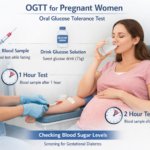
Introduction:
The oral glucose tolerance test for diabetes is one of the most trusted medical tests used to diagnose diabetes, prediabetes, and gestational diabetes. It shows how your body handles sugar after drinking a measured glucose solution. Because of its accuracy, doctors consider it the gold standard for diagnosing diabetes when other blood sugar tests are unclear.
This test helps detect diabetes early, which is important for preventing long-term complications affecting the eyes, kidneys, nerves, and heart.
What Is the Oral Glucose Tolerance Test for Diabetes?
The oral glucose tolerance test for diabetes (OGTT) measures blood glucose levels before and two hours after consuming a drink that contains 75 grams of glucose. The test evaluates how efficiently your body absorbs glucose from the intestine and how well insulin moves sugar into the cells.
Results are based on venous plasma glucose, which is more reliable than finger-prick glucose meter readings.
When Should an Oral Glucose Tolerance Test Be Done?
Indications for OGTT
Doctors may recommend the oral glucose tolerance test for diabetes in the following situations:
- Fasting blood glucose results are borderline (usually 5.5–6.9 mmol/L)
- Random blood glucose levels are unclear
- Screening for gestational diabetes during pregnancy
- History of gestational diabetes
- Women with polycystic ovarian syndrome (PCOS)
- Follow-up testing after a diagnosis of prediabetes
- High-risk individuals (overweight, family history, older age)
If blood sugar levels are clearly normal or clearly diabetic, an OGTT may not be required.
Oral Glucose Tolerance Test in Pregnancy
OGTT for Gestational Diabetes
Pregnant women are usually screened between 26 and 28 weeks of pregnancy. If an initial glucose challenge test is abnormal, an oral glucose tolerance test for diabetes is performed to confirm gestational diabetes.
Women who previously had gestational diabetes are advised to repeat the test 6–12 weeks after delivery, and again every 1–3 years, depending on risk factors.
How to Prepare for the Oral Glucose Tolerance Test
Patient Preparation Guidelines
Proper preparation is essential for accurate results:
- Eat a normal diet with adequate carbohydrates for 3 days before the test
- Fast overnight (8–12 hours), water only
- Avoid smoking, caffeine, and alcohol
- Do not exercise during the test
- The test is usually done in the morning
- Remain seated throughout the test period
During the test, blood is drawn before drinking glucose and again 2 hours after consumption.
How Does the Oral Glucose Tolerance Test Work?
The oral glucose tolerance test for diabetes reflects the balance between:
- Glucose absorbed from the gut
- Glucose produced or stored by the liver
- Glucose taken up by muscles and tissues
The fasting value shows liver glucose output, while the 2-hour value reflects how well the body handles the glucose load. These values are linked to the risk of diabetes-related complications.
Understanding OGTT Results
Interpretation of Results
Category | Fasting (mmol/L) | 2-Hour (mmol/L) |
Normal | ≤6.0 | <7.8 |
Prediabetes | 6.1–6.9 | 7.8–11.0 |
Diabetes | ≥7.0 | ≥11.1 |
A diagnosis of diabetes usually requires two abnormal results on different days, unless clear symptoms are present.
❓ What the OGTT Cannot Tell You
The oral glucose tolerance test for diabetes does not:
- Distinguish between type 1 and type 2 diabetes
- Predict response to diabetes medication
- Accurately estimate long-term glucose control (HbA1c)
- Predict future complications with certainty
It reflects glucose tolerance only at the time of testing.
Reliability and Limitations of OGTT
OGTT results can vary due to:
- Poor preparation
- Incorrect test timing
- Individual biological variation
Because of this variability, doctors may repeat the test if results are borderline or have major lifestyle or insurance implications.
Future Directions in Diabetes Diagnosis
Many health organizations now support using HbA1c (≥6.5%) alongside blood glucose tests to diagnose diabetes. Research is ongoing to refine gestational diabetes criteria and improve diagnostic accuracy.
Frequently Asked Questions
What is an Oral Glucose Tolerance Test (OGTT)?
An Oral Glucose Tolerance Test (OGTT) is a diagnostic procedure used to evaluate how efficiently your body processes sugar (glucose). During this test, you consume a standardized glucose drink, and healthcare professionals measure your blood sugar levels at specific intervals. It serves as one of the most reliable methods for diagnosing type 2 diabetes, prediabetes, and gestational diabetes in pregnant women.
Why is the OGTT performed?
Doctors recommend the OGTT for several important reasons: to diagnose type 2 diabetes or prediabetes in adults showing risk factors, to screen for gestational diabetes during pregnancy (usually between 24 and 28 weeks), to evaluate reactive hypoglycemia (abnormally low blood sugar after eating), and to investigate unexplained symptoms such as frequent urination, excessive thirst, or unusual fatigue that may indicate a blood sugar disorder.
How should I prepare for the OGTT?
Proper preparation is essential for accurate results. You must fast for 8 to 12 hours before the test — water is permitted, but no food, coffee, juice, or other beverages. Maintain your regular eating habits for at least three days before the test, since extreme dieting can affect results. Inform your doctor about all medications you take, including supplements, as some drugs can influence blood sugar readings. Avoid strenuous physical activity the day before the test. On the day of the test, dress comfortably and plan to stay at the clinic for two to three hours.
Medical Disclaimer
This article is for educational purposes only and should not replace professional medical advice. Always consult a qualified healthcare provider for diagnosis and treatment.