Introduction:
Symptoms of respiratory infection are more common than most people think. Whether it starts as a scratchy throat or a stubborn cough, a respiratory infection can range from mild to serious, and knowing the warning signs early makes all the difference. In this article, we break down the 10 most important symptoms of respiratory infection, what causes them, and when you should see a doctor.
Table of Contents
- What Is a Respiratory Infection?
- Types of Respiratory Infections
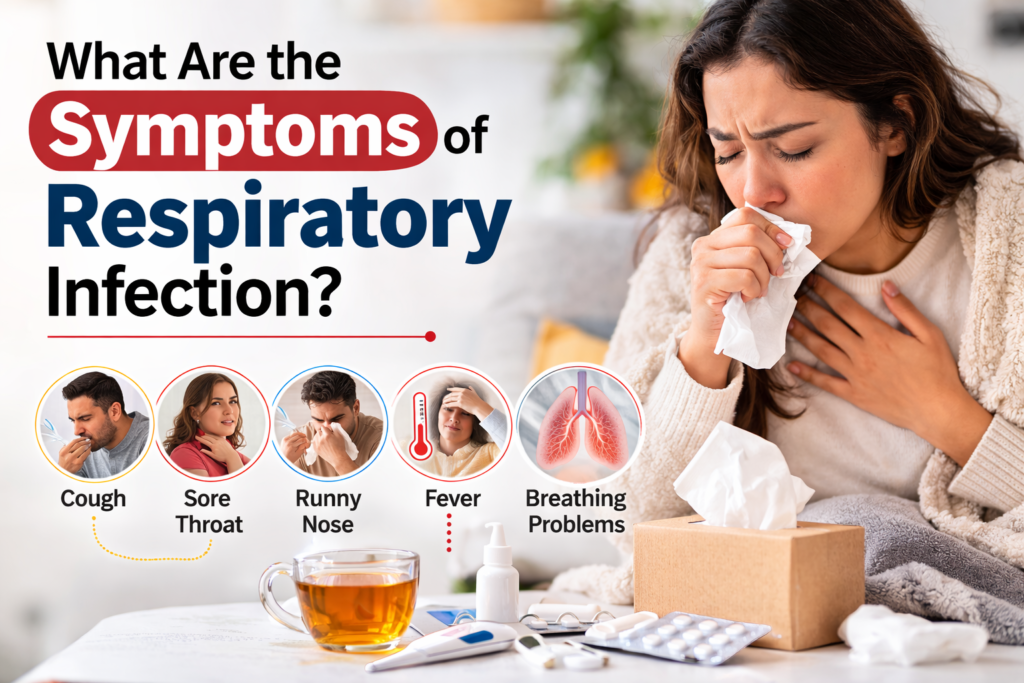
- 10 Key Symptoms of Respiratory Infection
- Symptoms in Upper vs. Lower Respiratory Infections
- When to See a Doctor
- How Respiratory Infections Spread
- Treatment Options
- Prevention Tips
- Conclusion
- Frequently Asked Questions
1. What Is a Respiratory Infection?
A respiratory infection is an illness that affects the respiratory system, including the nose, throat, airways, and lungs. It is usually caused by viruses, bacteria, or sometimes fungi. These infections are extremely common worldwide and can affect people of all ages, though children, the elderly, and those with weak immune systems are at higher risk.
Recognizing the symptoms of respiratory infection early helps you manage the illness quickly and prevent it from getting worse.
2. Types of Respiratory Infections
Respiratory infections are generally divided into two main categories:
- Upper Respiratory Infection (URI): Affects the nose, throat, sinuses, and larynx. The common cold and sinusitis are typical examples.
- Lower Respiratory Infection (LRI): Affects the airways and lungs. Includes bronchitis, pneumonia, and the flu.
Both types share many symptoms, but lower respiratory infections tend to be more serious and may need medical treatment sooner.
3. 10 Key Symptoms of Respiratory Infection
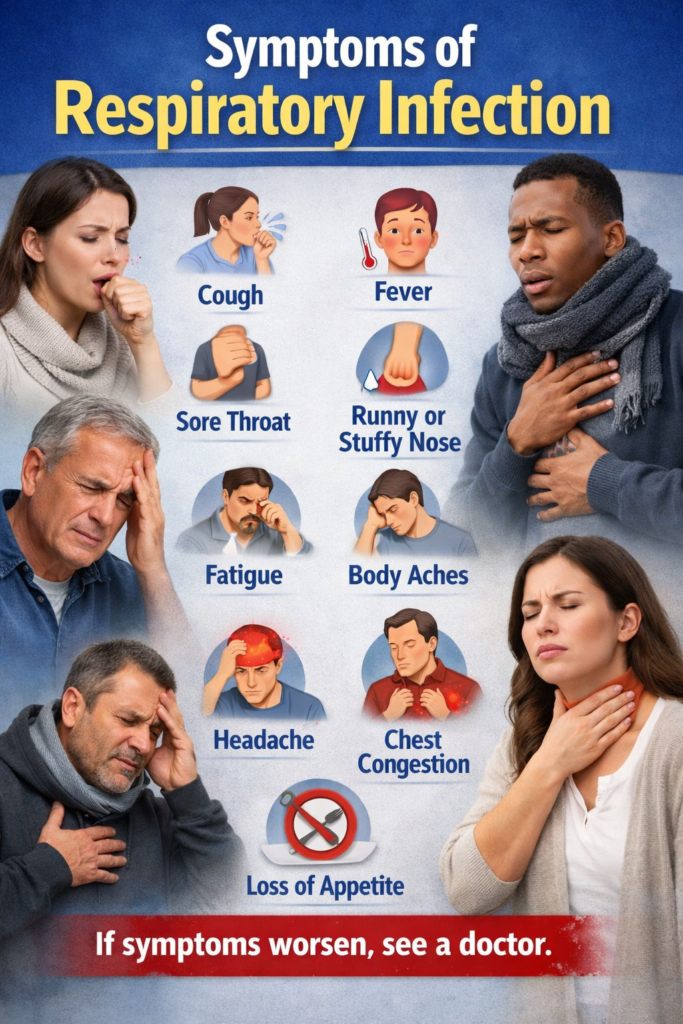
Here are the most common and important symptoms of respiratory infection that you should watch out for:
1. Persistent Cough
A cough is one of the first and most obvious symptoms of respiratory infection. It may be dry and tickly at first, then turn wet and productive with mucus. A cough that lasts more than two weeks, or that produces yellow, green, or blood-tinged phlegm, needs medical attention right away.
2. Fever and Chills
A fever is a natural reaction of the body when it is fighting an infection. Most respiratory infections cause a mild to moderate fever (38°C to 39°C). High fever above 39.5°C, especially with chills and sweating, may indicate a more serious infection like pneumonia or influenza and should be evaluated by a doctor.
3. Sore Throat
A scratchy or painful throat is a hallmark symptom of upper respiratory infection. It is often the first sign that something is wrong. When caused by bacteria like Streptococcus (strep throat), the pain can be severe and may require antibiotics. Most viral sore throats get better naturally within about a week
4. Runny or Stuffy Nose
Nasal congestion or a runny nose is a very common symptom of respiratory infection, especially in upper respiratory tract infections like the common cold. Clear discharge usually means a viral cause. Thick yellow or green discharge may signal a bacterial infection or sinusitis that might need treatment.
5. Shortness of Breath
Difficulty breathing or feeling out of breath even with mild activity is a serious symptom. It usually signals a lower respiratory infection such as bronchitis or pneumonia. Shortness of breath should never be ignored- seek emergency medical help if breathing becomes very difficult, especially in children or older adults.
6. Chest Pain or Tightness
Chest discomfort, tightness, or pain that gets worse when you breathe or cough can be a symptom of a respiratory infection affecting the lungs or bronchial tubes. It can also point to pleurisy (inflammation around the lungs). Always take chest pain seriously and get it checked promptly by a healthcare professional.
7. Fatigue and Body Aches
Feeling unusually tired, weak, or achy all over is a common symptom of respiratory infection. Your body uses a lot of energy fighting off infection, which leaves you exhausted. Muscle aches and joint pain are especially common with influenza. Rest is essential during this time to help your immune system recover faster.
8. Headache
Many people with respiratory infections experience headaches due to sinus pressure, fever, or general inflammation. Sinus infections in particular cause pain and pressure around the forehead, cheeks, and eyes. While headaches are usually manageable with rest and fluids, severe or sudden headaches should be evaluated medically.
9. Wheezing or Noisy Breathing
A high-pitched whistling sound when breathing, known as wheezing, is a clear sign that the airways are narrowed or blocked. This symptom is especially common in children and people with asthma. Wheezing caused by a respiratory infection can trigger or worsen asthma and may need bronchodilator treatment or medical care.
10. Loss of Smell or Taste
Loss of smell (anosmia) or taste became widely known as a symptom during the COVID-19 pandemic, but it can occur with other upper respiratory infections too. Nasal congestion and inflammation of the olfactory nerves can temporarily reduce your ability to smell or taste food. These senses usually return as the infection clears up.
4. Symptoms in Upper vs. Lower Respiratory Infections
- Upper Respiratory Infection Symptoms: Runny or stuffy nose, sore throat, sneezing, mild cough, mild fever, nasal congestion
- Lower Respiratory Infection Symptoms: Deep or persistent cough, shortness of breath, chest pain, high fever, wheezing, fatigue
Lower respiratory infections are generally more severe and can lead to complications such as pneumonia, respiratory failure, or sepsis if left untreated.
5. When to See a Doctor
Most mild symptoms of respiratory infection improve within 7 to 10 days. However, see a doctor immediately if you notice:
- Breathing becomes very difficult or rapid
- Chest pain that does not go away
- High fever that does not come down with medication
- Coughing up blood or large amounts of thick mucus
- Symptoms that get worse after initially improving
Who Should Seek Medical Care Earlier?
Some people should contact a healthcare provider quickly if they develop symptoms of a respiratory infection. This includes children younger than 2 years old, adults over the age of 65, pregnant women, and individuals living with long-term health conditions such as diabetes, heart disease, or chronic obstructive pulmonary disease (COPD).
Because their immune systems may be weaker or more vulnerable, respiratory infections can become serious faster in these groups. Getting medical advice early can help prevent complications and ensure proper treatment.
6. How Respiratory Infections Spread
Respiratory infections spread very easily from one person to another. These infections are considered highly contagious and can move quickly through communities.
Common ways respiratory infections spread include:
• Breathing in droplets released when an infected person coughs, sneezes, or talks
• Touching surfaces that contain germs and then touching your mouth, nose, or eyes
• Close physical contact with someone who is infected
• Sharing personal items such as drinking glasses, utensils, towels, or food
Because of these transmission methods, respiratory infections often spread rapidly in crowded environments like schools, workplaces, public transportation, and social gatherings. The risk is even higher during colder seasons when people spend more time indoors.
7. Treatment Options
The treatment for a respiratory infection depends on what is causing the illness and how severe the symptoms are.
Viral Infections
Most respiratory infections are caused by viruses. In these cases, treatment usually focuses on relieving symptoms while the body fights the infection naturally. Helpful measures include:
• Getting enough rest
• Drinking plenty of fluids
• Using over-the-counter medications to reduce fever, congestion, or cough
Bacterial Infections
If a bacterial infection is diagnosed, a doctor may prescribe antibiotic medication to eliminate the bacteria. One commonly prescribed antibiotic is amoxicillin, but the exact medication depends on the type of infection.
Severe Infections
In more serious situations, such as severe pneumonia or complications, hospital care may be necessary. Treatment in these cases may involve:
- Intravenous (IV) antibiotics
- Oxygen therapy
- Breathing assistance or respiratory support
Always follow your healthcare provider’s instructions carefully and complete the full course of any prescribed medication, even if you start feeling better.
8. Prevention Tips
Preventing respiratory infections is often much easier than treating them. Practicing simple daily habits can significantly reduce your risk.
Effective prevention strategies include:
- Wash your hands regularly with soap and water for at least 20 seconds
- Avoid touching your face, particularly your nose, mouth, and eyes
- Drink enough water and make sure you get sufficient sleep
- Limit close contact with people who are sick and stay home if you are unwell
- Keep indoor spaces clean and properly ventilated
These simple habits can help reduce the spread of respiratory infections and protect both you and those around you.
10. Conclusion
Understanding the symptoms of respiratory infection is an important step toward protecting your health and the well-being of others. These infections can range from mild symptoms, such as a runny nose, to more serious breathing difficulties that require medical care.
The good news is that many respiratory infections can be managed successfully with early recognition, proper treatment, and healthy lifestyle habits. Preventive actions such as good hygiene, vaccination, and maintaining a strong immune system can greatly reduce your risk.
Always pay attention to changes in your body. If symptoms become worse or do not improve as expected, it is wise to consult a healthcare professional. Healthy breathing is essential for overall well-being and should never be ignored.
9. Frequently Asked Questions
How long do respiratory infection symptoms usually last?
Most upper respiratory infections, such as the common cold, typically improve within 7 to 14 days. However, infections that affect the lungs, such as bronchitis or pneumonia, may take three to six weeks for complete recovery.
Can respiratory infections resolve without treatment?
Yes. Many viral respiratory infections improve on their own with rest, hydration, and basic care. However, infections caused by bacteria often require antibiotic treatment, and more serious cases should always be evaluated by a medical professional.
Are respiratory infections contagious?
Yes, respiratory infections are highly contagious. They spread easily during the first few days of illness. To protect others, avoid close contact and consider wearing a mask if you need to be around people.
What are the most serious symptoms of a respiratory infection?
Certain symptoms indicate that medical attention is needed immediately. These include difficulty breathing, persistent chest pain, and high fever that does not improve with medication.
References & Further Reading
For more trusted information on respiratory infection symptoms, visit these authoritative sources:
- Cleveland Clinic – Upper Respiratory Infection
- NHS – Respiratory Tract Infection
- Mayo Clinic – Common Cold Symptoms
- Hopkins Medicine – Upper Respiratory Infection
- Northwestern Medicine – Respiratory Infection Symptoms
- Baptist Health – Respiratory Infection Side Effects
- Max Healthcare – What is Upper Respiratory Infection
- Clinica El Geadi – Respiratory Infections Causes, Symptoms and Prevention
Medical Disclaimer:
This article is for educational purposes only and does not replace professional medical advice. Always follow the specific instructions provided by your healthcare provider or laboratory.