
Introduction
Treatments and cures for leukemia have evolved dramatically over the past decade, bringing renewed hope to patients and families worldwide. If you or a loved one has received a leukemia diagnosis, understanding your treatment options is the first crucial step toward recovery.
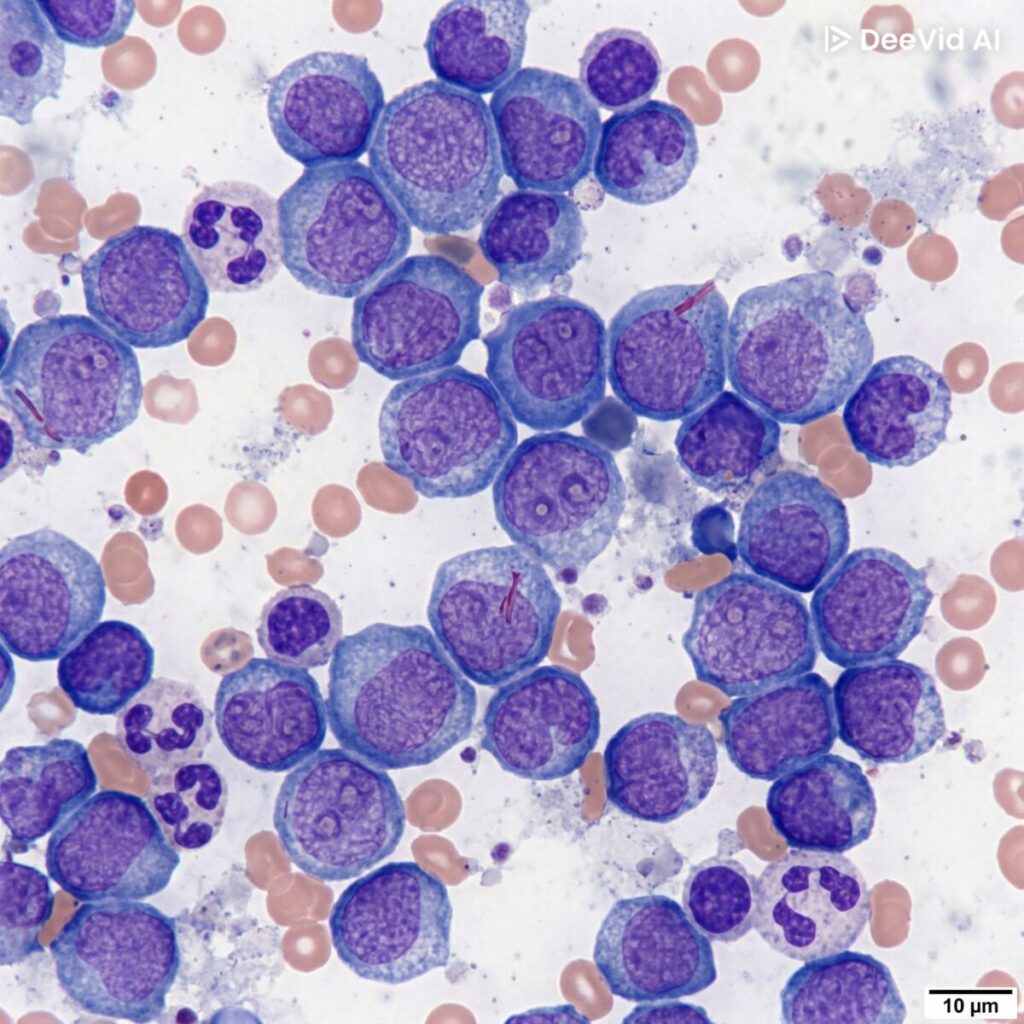
Leukemia is a cancer of the blood-forming tissues including bone marrow and the lymphatic system (leukocytes). While this diagnosis can feel overwhelming, modern medicine offers multiple effective pathways to fight this disease.
What Makes Leukemia Treatment Different?
Unlike solid tumor cancers, leukemia affects your blood and bone marrow. This means treatments and cures for leukemia often work differently than other cancer therapies.
The approach your doctor recommends depends on several factors:
- The type of leukemia you have
- Your age and overall health
- Whether the cancer has spread
- How your body responds to initial treatment
Let’s explore the most effective treatments available today.
Chemotherapy: The Foundation of Leukemia Treatment
Chemotherapy remains one of the primary treatments and cures for leukemia. This powerful approach uses drugs to destroy cancer cells throughout your body.
How It Works:
Chemotherapy drugs travel through your bloodstream, reaching cancer cells wherever they hide. For leukemia patients, this systemic approach is particularly effective because the disease affects blood cells circulating throughout your body.
Treatment Process:
Most patients receive chemotherapy in cycles. You’ll have treatment periods followed by rest periods, allowing your body to recover. Some people take oral medications at home, while others receive intravenous treatments at a clinic or hospital.
Success Rates:
Modern chemotherapy protocols have significantly improved survival rates. According to the American Cancer Society, five-year survival rates for certain types of leukemia now exceed 90% in younger patients.
Targeted Therapy: Precision Medicine for Better Results
Targeted therapy represents a revolutionary advancement in treatments and cures for leukemia. Unlike chemotherapy, which affects all rapidly dividing cells, targeted therapy zeroes in on specific abnormalities within cancer cells.
Key Targeted Medications:
- Tyrosine Kinase Inhibitors (TKIs): These drugs block signals that tell leukemia cells to grow. Imatinib (Gleevec) was the first breakthrough medication in this category.
- Monoclonal Antibodies: These laboratory-made proteins attach to specific targets on cancer cells, marking them for destruction by your immune system.
- BCL-2 Inhibitors: These newer medications help cancer cells die naturally, a process called apoptosis.
Why Targeted Therapy Matters:
This approach often causes fewer side effects than traditional chemotherapy because it spares healthy cells. Many patients can take these medications orally at home, maintaining a better quality of life during treatment.
Immunotherapy: Harnessing Your Body's Natural Defenses
Immunotherapy treatments and cures for leukemia work by boosting your immune system’s ability to recognize and destroy cancer cells.
CAR T-Cell Therapy:
This groundbreaking treatment has transformed outcomes for many patients with aggressive leukemia. Here’s how it works:
- Doctors collect T-cells from your blood
- Scientists modify these cells in a laboratory to recognize leukemia cells
- The enhanced cells are infused back into your body
- These supercharged cells hunt down and destroy cancer
CAR T-cell therapy has produced remarkable results, with some patients achieving complete remission when other treatments failed.
Checkpoint Inhibitors:
These medications remove the “brakes” that prevent your immune system from attacking cancer cells. While more commonly used for solid tumors, researchers are exploring their potential for certain leukemia types.
Stem Cell Transplantation: A Potential Cure
Stem cell transplantation, also called bone marrow transplant, offers a potential cure for many leukemia patients, especially those with high-risk disease.
The Process:
First, you receive high-dose chemotherapy or radiation to destroy cancer cells and suppress your immune system. Then, you receive healthy stem cells from a donor or from your own previously collected cells.
Types of Transplants:
- Autologous: Using your own stem cells
- Allogeneic: Using donor stem cells from a matched relative or unrelated donor
Success Factors:
Finding a good donor match is crucial. The National Marrow Donor Program maintains a registry of potential donors worldwide, increasing the chances of finding a match.
Radiation Therapy: Targeted Cancer Destruction
While less common than other treatments and cures for leukemia, radiation therapy plays an important role in specific situations.
When It’s Used:
- Before stem cell transplantation
- To treat leukemia that has spread to the brain or spinal fluid
- To shrink an enlarged spleen
- For pain relief in advanced cases
How It Works:
High-energy beams target and destroy cancer cells in specific areas. Modern radiation techniques minimize exposure to healthy tissues.
Clinical Trials: Access to Cutting-Edge Treatments
Participating in clinical trials gives you access to the newest treatments and cures for leukemia before they become widely available.
Current Research Focus:
- New targeted therapy combinations
- Enhanced CAR T-cell therapies
- Novel immunotherapy approaches
- Less toxic conditioning regimens for transplants
Finding Trials:
Talk to your oncologist about appropriate clinical trials. Resources like ClinicalTrials.gov list ongoing studies worldwide.
Supportive Care: Managing Side Effects
Effective treatments and cures for leukemia include comprehensive supportive care to manage side effects and maintain quality of life.
Key Supportive Measures:
- Blood transfusions to address anemia
- Antibiotics to prevent or treat infections
- Anti-nausea medications
- Pain management
- Nutritional support
- Mental health counseling
Choosing the Right Treatment Path
Your healthcare team will recommend treatments and cures for leukemia based on your specific situation. Don’t hesitate to ask questions:
- What are my treatment options?
- What are the potential benefits and risks?
- How will treatment affect my daily life?
- What’s my prognosis with each option?
- Should I seek a second opinion?
The Importance of Follow-Up Care
After completing treatment, regular monitoring remains essential. Your doctor will schedule:
- Blood tests to check for cancer recurrence
- Physical examinations
- Bone marrow biopsies when needed
- Monitoring for long-term side effects
Hope on the Horizon
The landscape of treatments and cures for leukemia continues to evolve rapidly. Researchers are developing:
- More precise targeted therapies
- Combination approaches that attack cancer from multiple angles
- Strategies to prevent treatment resistance
- Methods to predict which treatments work best for individual patients
Living Well During Treatment
Many people continue working, spending time with family, and enjoying activities during leukemia treatment. These strategies help:
Maintain Your Strength:
- Eat a balanced, nutritious diet
- Stay as physically active as your doctor recommends
- Get adequate rest
- Stay hydrated
Build Your Support System:
Connect with other leukemia patients through support groups. Sharing experiences with people who understand your journey provides emotional strength and practical advice.
Focus on Mental Health:
A cancer diagnosis affects your emotional well-being. Consider:
- Professional counseling
- Meditation or mindfulness practices
- Stress-reduction techniques
- Staying connected with loved ones
Financial Considerations
Modern treatments and cures for leukemia can be expensive. Work with a financial counselor at your treatment center to explore:
- Insurance coverage options
- Patient assistance programs
- Clinical trial participation (often provided at no cost)
- Nonprofit organization support
Moving Forward with Confidence
While a leukemia diagnosis is serious, today’s treatments and cures for leukemia offer genuine hope for long-term survival and even cure. Medical advances continue at a remarkable pace, bringing new options to patients regularly.
Work closely with your healthcare team, stay informed about your options, and don’t hesitate to advocate for yourself. Many people diagnosed with leukemia today are living longer, healthier lives than ever before.
Remember, you’re not alone in this journey. Millions of people have faced leukemia and emerged stronger. With the right treatment plan and support system, you can too.
Frequently Asked Questions
What are the main treatments and cures for leukemia available today?
The primary treatments and cures for leukemia include:
- Chemotherapy – Using powerful drugs to destroy cancer cells
- Targeted Therapy – Medications that attack specific cancer cell abnormalities
- Immunotherapy – Boosting your immune system to fight cancer
- CAR T-Cell Therapy – Modified immune cells that hunt leukemia cells
- Stem Cell Transplantation – Replacing diseased bone marrow with healthy cells
- Radiation Therapy – High-energy beams to destroy cancer in specific areas
- Clinical Trials – Access to experimental treatments
Your doctor will recommend the best combination based on your specific type of leukemia, age, overall health, and how the disease responds to treatment.
Can leukemia be completely cured?
Yes, many people with leukemia can be cured, especially with early detection and modern treatments. Success rates vary by:
- Type of leukemia – Acute lymphoblastic leukemia (ALL) in children has over 90% cure rates
- Age – Younger patients generally have better outcomes
- Disease stage – Earlier detection improves cure chances
- Treatment response – How well your body responds to initial therapy
Even when complete cure isn’t possible, many patients achieve long-term remission and live full, active lives with treatments and cures for leukemia.
How long does leukemia treatment take?
Treatment duration varies significantly:
- Acute leukemia: Intensive treatment typically lasts 6 months to 2 years
- Chronic leukemia: May require ongoing treatment for several years or even lifelong management
- Maintenance therapy: Can continue for 2-3 years after initial treatment
- Stem cell transplant: The procedure itself takes weeks, but full recovery can take 6-12 months or longer
Your treatment team will provide a personalized timeline based on your specific situation.
What is the most effective treatment for leukemia?
There’s no single “best” treatment – effectiveness depends on individual factors:
- For CML (Chronic Myeloid Leukemia): Tyrosine kinase inhibitors like imatinib are highly effective
- For ALL (Acute Lymphoblastic Leukemia): Combination chemotherapy protocols show excellent results
- For AML (Acute Myeloid Leukemia): Chemotherapy followed by stem cell transplant for high-risk cases
- For CLL (Chronic Lymphocytic Leukemia): Targeted therapies and immunotherapy combinations
The most effective treatment is the one specifically tailored to your leukemia type and individual characteristics.
Is leukemia treatment painful?
Most treatments and cures for leukemia cause discomfort rather than severe pain:
- Chemotherapy: Usually painless during infusion, but may cause side effects like nausea, fatigue, and mouth sores
- Bone marrow biopsies: Brief discomfort with local anesthesia
- Blood draws and IV lines: Minor needle sticks
- Side effects: Can be uncomfortable but are manageable with supportive care
Your medical team provides pain management and supportive medications to keep you as comfortable as possible throughout treatment.
How does chemotherapy work for leukemia?
Chemotherapy works by:
- Traveling through your bloodstream to reach cancer cells everywhere in your body
- Interfering with cancer cell division and growth
- Destroying rapidly dividing cells including leukemia cells
- Being given in cycles allowing your body to recover between treatments
Since leukemia affects blood cells throughout your body, chemotherapy’s systemic approach is particularly effective.
What are the side effects of chemotherapy for leukemia?
Common side effects include:
- Fatigue and weakness
- Nausea and vomiting
- Hair loss
- Increased infection risk
- Mouth sores
- Loss of appetite
- Anemia and bleeding problems
Important: Not everyone experiences all side effects, and modern supportive care has greatly reduced their severity. Many side effects are temporary and resolve after treatment ends.
What are the side effects of CAR T-cell therapy?
Potential side effects include:
- Cytokine Release Syndrome (CRS): Fever, low blood pressure, difficulty breathing – usually manageable
- Neurological effects: Confusion, difficulty speaking, seizures – typically temporary
- Low blood counts: Requiring transfusions and monitoring
- Infections: Due to weakened immune system
Most side effects occur within the first few weeks and can be effectively managed in specialized treatment centers.
Can leukemia come back after successful treatment?
Yes, leukemia can relapse, which is why follow-up care is essential:
Relapse risks vary by:
- Initial leukemia type
- How well you responded to first treatment
- Genetic factors
- Age at diagnosis
Relapse signs:
- Fatigue returning
- Easy bruising or bleeding
- Frequent infections
- Abnormal blood counts
If relapse occurs, treatments and cures for leukemia are still available, including different chemotherapy regimens, targeted therapies, immunotherapy, or transplant.