Understanding the Critical Pathways of Monkeypox Transmission
The mode of transmission of monkey pox has become a crucial topic for public health awareness worldwide. Monkeypox, now officially termed mpox by the World Health Organization, is a viral disease that can spread through various pathways. Understanding exactly how this virus transmits from person to person is essential for protecting yourself and your community from infection.
In this comprehensive guide, we’ll explore the mode of transmission of monkey pox in detail, providing you with accurate, up-to-date information based on scientific evidence and health authority recommendations.
What is Monkeypox and Why Understanding Transmission Matters
Monkeypox is a viral infection caused by the monkeypox virus, which belongs to the Orthopoxvirus genus. While the disease was first discovered in laboratory monkeys in 1958, it primarily circulates among wild animals in Central and West Africa. The mode of transmission of monkey pox determines how quickly the virus can spread and what preventive measures work best.
Knowing the mode of transmission of monkey pox empowers you to take appropriate precautions and recognize potential exposure risks in your daily life.
Primary Mode of Transmission of Monkey Pox: Person-to-Person Contact
Direct Physical Contact
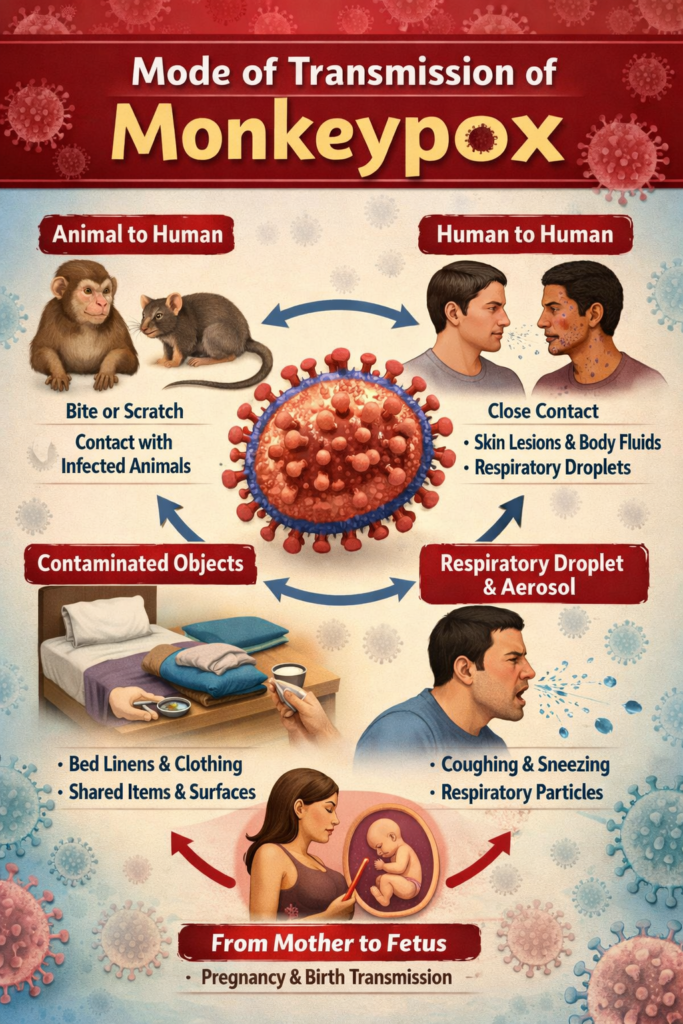
The most common mode of transmission of monkey pox involves direct contact with infectious materials. Here’s how it happens:
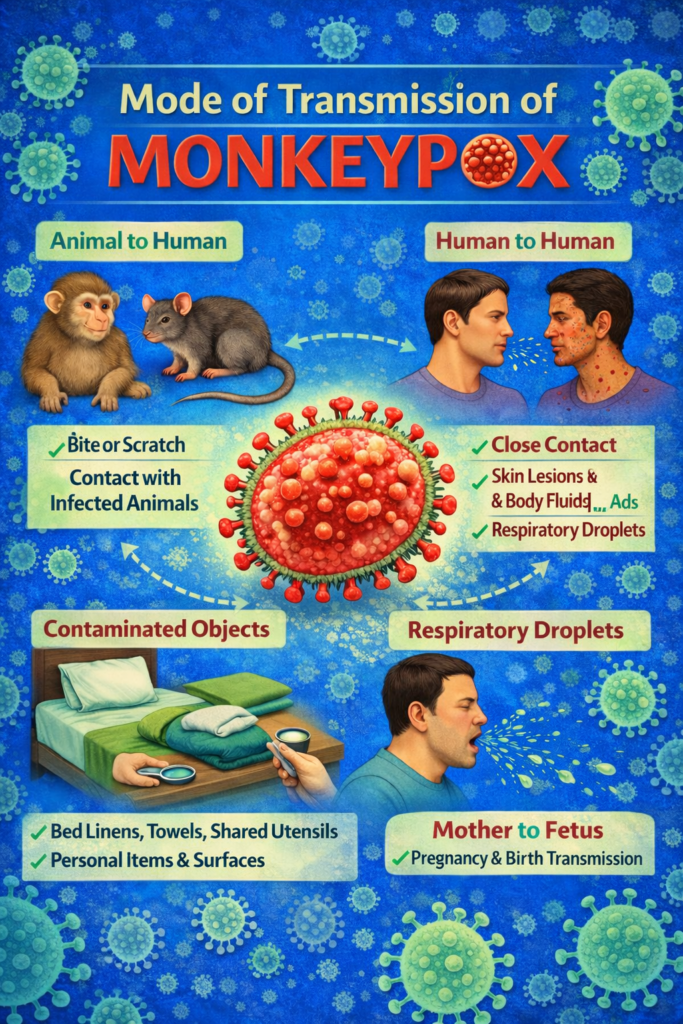
Skin-to-Skin Contact: The virus spreads efficiently through prolonged, direct contact with the characteristic mpox rash, lesions, scabs, or bodily fluids from an infected person. These skin lesions contain high concentrations of the virus and remain infectious until they completely heal and fresh skin forms.
Mucous Membrane Exposure: Contact with mucous membranes including the mouth, throat, eyes, and genital areas of infected individuals represents another significant mode of transmission of monkey pox. The virus can enter your body through these vulnerable tissues.
Sexual and Intimate Contact: During recent outbreaks, close intimate contact has emerged as a predominant mode of transmission of monkey pox. This includes any prolonged face-to-face contact, kissing, cuddling, or sexual activities with someone who has mpox.
Respiratory Transmission
Respiratory Droplets: While less common than direct contact, respiratory transmission is still an important mode of transmission of monkey pox. Large respiratory droplets containing the virus can spread during extended close contact, particularly during face-to-face conversations, coughing, or sneezing.
However, it’s crucial to understand that mpox doesn’t spread as easily through the air as COVID-19 does. The mode of transmission of monkey pox through respiratory droplets typically requires prolonged exposure in close proximity rather than brief encounters.
Indirect Transmission Pathways
Contaminated Objects and Surfaces
Fomite Transmission: An often overlooked mode of transmission of monkey pox involves touching contaminated objects. The virus can survive on surfaces, clothing, bedding, towels, and other materials that have been in contact with infectious lesions or bodily fluids.
Common contaminated items include:
- Bedsheets and blankets
- Clothing and towels
- Eating utensils and cups
- Door handles and surfaces
- Personal care items
This mode of transmission of monkey pox makes household transmission particularly concerning when proper hygiene measures aren’t followed.
Animal-to-Human Transmission
Zoonotic Spread
The original mode of transmission of monkey pox involves animal reservoirs. In endemic regions, people can contract mpox through:
Direct Animal Contact: Bites, scratches, or direct contact with blood, bodily fluids, or lesions from infected animals represents a primary zoonotic mode of transmission of monkey pox.
Consumption of Wild Game: Preparing or consuming inadequately cooked meat from infected animals is another mode of transmission of monkey pox in endemic areas.
Environmental Exposure: Contact with contaminated bedding, cages, or materials used by infected animals can facilitate transmission.
Vertical Transmission: Mother to Child
Pregnancy-Related Transmission: A serious mode of transmission of monkey pox occurs when pregnant women pass the virus to their unborn babies through the placenta. This congenital transmission can lead to severe complications and represents a critical concern for maternal health.
Breastfeeding and Postnatal Care: Close contact during childbirth, breastfeeding, or routine infant care can also serve as a mode of transmission of monkey pox from mother to newborn.
Risk Factors That Increase Transmission
Understanding which situations amplify the mode of transmission of monkey pox helps you assess your personal risk:
High-Risk Scenarios
- Healthcare Settings: Healthcare workers caring for mpox patients face elevated exposure through the professional mode of transmission of monkey pox if proper protective equipment isn’t used.
- Household Members: Living with an infected person significantly increases transmission risk through multiple pathways including the direct contact mode of transmission of monkey pox and contaminated surfaces.
- Intimate Partners: Close physical intimacy creates optimal conditions for the mode of transmission of monkey pox through prolonged skin contact.
Endemic Area Travel: Visiting regions where mpox circulates in animal populations increases exposure to the zoonotic mode of transmission of monkey pox.
How Long Does the Transmission Period Last?
An infected person can spread mpox from the time symptoms begin until all lesions have completely healed and fresh skin has formed underneath. This typically takes 2-4 weeks. Understanding this timeline is essential for grasping the mode of transmission of monkey pox and implementing appropriate isolation measures.
The virus can spread even before the rash appears if someone has prodromal symptoms like fever, headache, and swollen lymph nodes, though transmission is most likely when lesions are present.
Prevention Strategies Based on Transmission Modes
Protecting Yourself Against Different Transmission Routes
Avoiding Direct Contact: Since direct contact represents the primary mode of transmission of monkey pox, avoid touching the rash, lesions, or scabs of infected individuals. Don’t share personal items like clothing, bedding, or towels.
Hand Hygiene: Regular handwashing with soap and water or using alcohol-based hand sanitizer interrupts the contaminated surface mode of transmission of monkey pox.
Safe Intimate Practices: During outbreaks, limiting skin-to-skin contact with new or multiple partners reduces exposure to the intimate contact mode of transmission of monkey pox.
Vaccination: The mpox vaccine provides significant protection by preventing infection or reducing disease severity, effectively blocking the mode of transmission of monkey pox before it can establish infection.
Personal Protective Equipment: In healthcare or caregiving situations, wearing gloves, masks, and gowns creates barriers against the mode of transmission of monkey pox.
Debunking Myths about Transmission
It’s important to clarify what is NOT a mode of transmission of monkey pox:
- Casual brief contact like passing someone in a hallway
- Swimming pool water (unless contaminated materials are present)
- Insect bites or mosquitoes
- Brief conversations at normal distance
- Sharing air in well-ventilated spaces
Understanding the actual mode of transmission of monkey pox prevents unnecessary panic while promoting appropriate precautions.
Debunking Myths about Transmission
It’s important to clarify what is NOT a mode of transmission of monkey pox:
- Casual brief contact like passing someone in a hallway
- Swimming pool water (unless contaminated materials are present)
- Insect bites or mosquitoes
- Brief conversations at normal distance
- Sharing air in well-ventilated spaces
Understanding the actual mode of transmission of monkey pox prevents unnecessary panic while promoting appropriate precautions.
What to Do If You've Been Exposed
If you suspect exposure to the mode of transmission of monkey pox, take these steps:
- Monitor Symptoms: Watch for fever, headache, muscle aches, swollen lymph nodes, and rash development for 21 days
- Contact Healthcare Provider: Discuss your exposure and whether testing or vaccination is recommended
- Avoid Contact: Limit close physical contact with others until cleared by medical professionals
- Practice Hygiene: Wash hands frequently and avoid sharing personal items
The Global Response to Transmission Prevention
Public health authorities worldwide have implemented strategies targeting each mode of transmission of monkey pox:
- Contact tracing programs identify exposed individuals
- Vaccination campaigns protect high-risk populations
- Education initiatives promote awareness about transmission routes
- Healthcare protocols ensure safe patient care
- Travel advisories address endemic region risks
Conclusion:
Understanding the mode of transmission of monkey pox equips you with powerful knowledge for protecting your health. While mpox can spread through multiple pathways including direct contact, contaminated objects, respiratory droplets, and animal exposure, transmission is preventable through informed precautions.
The mode of transmission of monkey pox primarily involves prolonged, close contact with infected individuals or contaminated materials. By practicing good hygiene, avoiding contact with those who are infected, staying informed about outbreaks, and considering vaccination when appropriate, you can significantly reduce your risk.
Remember that the mode of transmission of monkey pox requires specific conditions—brief casual contact poses minimal risk. Stay educated, practice sensible precautions, and consult healthcare professionals with any concerns about exposure or symptoms.
For the latest information on the mode of transmission of monkey pox and current outbreak status, regularly
check resources from the <a href=”https://www.cdc.gov/monkeypox/causes/index.html” rel=”dofollow”>Centers for Disease Control and Prevention</a>, the <a href=”https://www.who.int/news-room/fact-sheets/detail/mpox” rel=”dofollow”>World Health Organization</a>, and your local health department.
Stay informed, stay safe, and help prevent the spread of monkeypox in your community.
frequently asked questions
What is monkeypox?
Monkeypox is a viral disease caused by the monkeypox virus, which belongs to the same family of viruses as smallpox. While similar to smallpox, monkeypox typically causes a milder illness. The disease was first discovered in 1958 when outbreaks occurred in colonies of monkeys kept for research, which is how it got its name.
How is monkeypox transmitted?
Monkeypox can spread through:
- Close physical contact with someone who has monkeypox, including direct contact with the rash, scabs, or body fluids
- Respiratory droplets during prolonged face-to-face contact
- Contaminated materials such as clothing, bedding, or towels used by an infected person
- From animals to humans through bites, scratches, or contact with infected animals
- During pregnancy from mother to fetus through the placenta
What are the symptoms of monkeypox?
Common symptoms include:
- Early symptoms (1-4 days): Fever, headache, muscle aches, backache, swollen lymph nodes, chills, and exhaustion
- Rash: Usually begins 1-4 days after fever starts, often appearing on the face first and then spreading to other parts of the body, including palms and soles
- Rash progression: Evolves from flat spots to raised bumps, then fluid-filled blisters, pus-filled lesions, and finally scabs
The illness typically lasts 2-4 weeks.
Is there a vaccine for monkeypox?
Yes, vaccines developed for smallpox provide protection against monkeypox:
- JYNNEOS (Imvamune, Imvanex): A two-dose vaccine specifically approved for prevention of monkeypox and smallpox
- ACAM2000: An older smallpox vaccine that can also protect against monkeypox
Vaccination is typically recommended for people at higher risk of exposure, such as healthcare workers, laboratory personnel, and individuals with certain risk factors during outbreaks.
Who is at higher risk for severe monkeypox?
Individuals at higher risk include:
- Young children, especially those under 8 years old
- Pregnant women
- People with weakened immune systems (HIV/AIDS, cancer patients, organ transplant recipients)
- People with certain skin conditions like eczema or atopic dermatitis
- People who are not vaccinated against smallpox
Is monkeypox a pandemic?
While there was a global outbreak of monkeypox in 2022 that spread to many countries where the virus was not typically found, it was classified as a public health emergency rather than a pandemic. The situation has since stabilized in many regions with increased awareness, vaccination, and public health measures.