

Introduction
Urine infection symptoms can be uncomfortable and distressing, affecting millions of people worldwide each year. A urinary tract infection (UTI) occurs when harmful bacteria enter your urinary system, causing inflammation and a range of troubling symptoms. Recognizing these warning signs early is crucial for prompt treatment and preventing serious complications.
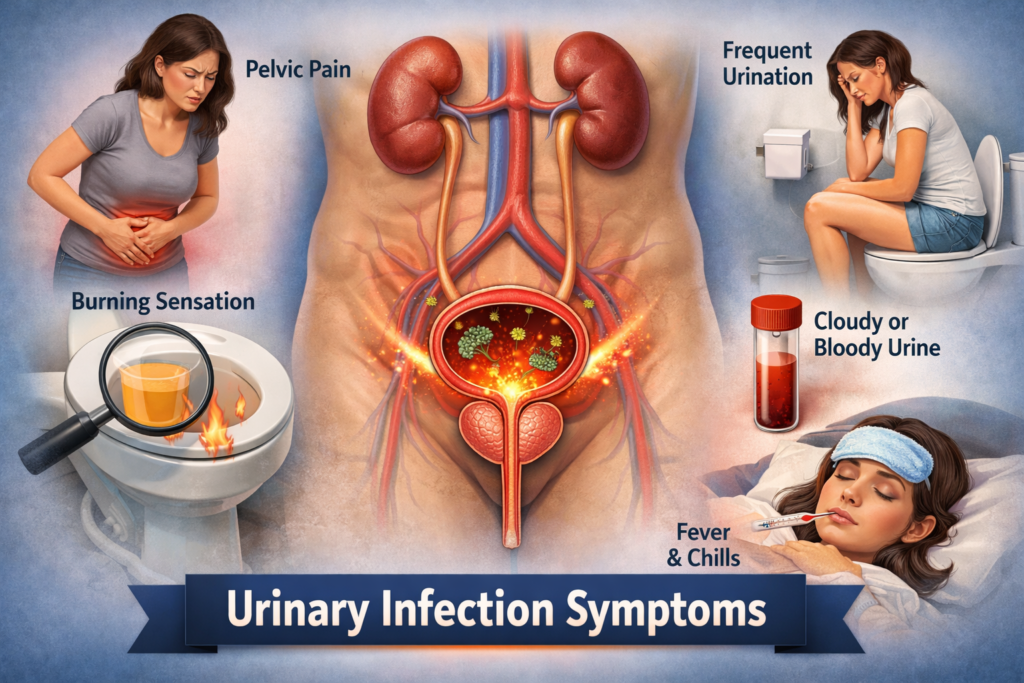
What Are the Most Common Urine Infection Symptoms?
Primary Warning Signs
The hallmark urine infection symptoms often appear suddenly and can significantly impact your daily life. Here are the key indicators to watch for:
Burning Sensation During Urination One of the most recognizable urine infection symptoms is a painful, burning feeling when you urinate. This dysuria occurs because inflamed urinary tract tissues become irritated as urine passes through.
Frequent, Urgent Need to Urinate You may feel a persistent urge to use the bathroom, even immediately after you’ve just gone. This urgent sensation is a classic symptom, yet you may pass only small amounts of urine each time.
Cloudy or Discolored Urine Healthy urine appears clear and pale yellow. When experiencing urine infection symptoms, your urine may become cloudy, milky, or even tinged with blood (appearing pink or red).
Strong, Unpleasant Odor Foul-smelling urine is another telltale sign. The infection causes bacteria to multiply, creating a distinctive, strong odor that differs from normal urine smell.
Additional Physical Symptoms
Beyond the primary signs, urine infection symptoms can include:
- Pelvic pain or pressure (especially in women, centered around the pubic bone area)
- Lower abdominal discomfort or cramping
- Blood in urine (hematuria), making it appear pink, red, or cola-colored
- Feeling tired or shaky
- Low-grade fever (below 101°F or 38.3°C)

Recognizing Different Types of Urinary Tract Infections
Bladder Infection (Cystitis) Symptoms
When bacteria affect your bladder, urine infection symptoms typically include:
- Pelvic pressure and discomfort
- Frequent, painful urination
- Lower abdomen pain
- Blood in urine
Kidney Infection (Pyelonephritis) Symptoms
This is dangerous Kidney infections are more serious and require immediate medical attention. Watch for these severe urine infection symptoms:
- High fever (above 101°F or 38.3°C)
- Chills and shaking
- Upper back or side pain (flank pain)
- Nausea and vomiting
- General feeling of being unwell
Kidney infections develop when bladder infections spread upward and demand urgent treatment to prevent permanent kidney damage.
Urethra Infection (Urethritis) Symptoms
When infection affects your urethra, symptoms include:
- Burning during urination
- Discharge from the urethral opening
- Irritation or inflammation
Who Is More Likely to Experience Urine Infection Symptoms?
Certain factors increase your risk of developing UTIs:
Women are significantly more susceptible than men due to shorter urethra length, making it easier for bacteria to reach the bladder. According to the Urology Care Foundation, women have a 50% chance of experiencing a UTI in their lifetime.
Other high-risk groups include:
- Pregnant women
- Sexually active individuals
- Postmenopausal women
- People with diabetes
- Those with weakened immune systems
- Individuals using catheters
- People with urinary tract abnormalities
- Those with kidney stones
When Urine Infection Symptoms Require Immediate Medical Attention
While many UTIs respond well to treatment, certain urine infection symptoms signal potentially serious complications. Seek immediate medical care if you experience:
- High fever with chills
- Severe back or side pain
- Persistent vomiting
- Symptoms lasting more than 2-3 days
- Blood in urine (especially if accompanied by pain)
- Symptoms during pregnancy
- Recurring infections (more than 2-3 times yearly)
The Mayo Clinic emphasizes that untreated kidney infections can lead to permanent damage or life-threatening bloodstream infections.
Diagnosing Urine Infection Symptoms
When you visit a healthcare provider with urine infection symptoms, expect:
Urine Sample Analysis Your doctor will request a urine sample to check for white blood cells, red blood cells, and bacteria. This urinalysis confirms infection presence.
Urine Culture Laboratory technicians grow bacteria from your urine sample to identify the specific type causing infection and determine which antibiotics will work best.
Imaging Tests For recurring infections, doctors may order ultrasound, CT scans, or cystoscopy to examine your urinary tract for abnormalities.
Effective Treatment for Urine Infection Symptoms
Antibiotic Therapy
The primary treatment involves antibiotics prescribed by your healthcare provider. Common options include:
- Trimethoprim/sulfamethoxazole
- Fosfomycin
- Nitrofurantoin
- Cephalexin
Important: Complete your entire antibiotic course, even if urine infection symptoms disappear within days. Stopping early can allow bacteria to survive and cause recurring infections.
Symptom Relief Measures
While antibiotics work, you can ease discomfort:
- Drink plenty of water to flush bacteria from your system
- Use heating pads on your lower abdomen to relieve pressure
- Avoid irritating beverages like caffeine, alcohol, and citrus drinks
- Take over-the-counter pain relievers (with doctor approval)
Preventing Future Urine Infection Symptoms
Powerful prevention strategies include:
- Stay well-hydrated – Drink 6-8 glasses of water daily
- Urinate frequently – Don’t hold urine for extended periods
- Wipe front to back (for women) to prevent bacterial spread
- Urinate after sexual activity to flush out potential bacteria
- Avoid irritating feminine products like douches and powders
- Choose showers over baths when possible
- Wear cotton underwear and loose-fitting clothes
- Consider cranberry products – While research is mixed, some find them helpful
According to the NHS, these simple lifestyle changes significantly reduce UTI recurrence rates.
Special Considerations for Different Groups
Pregnancy and Urine Infection Symptoms
Pregnant women experiencing urine infection symptoms need prompt treatment, as UTIs during pregnancy can lead to complications including:
- Preterm labor
- Low birth weight
- Kidney infections
Elderly Adults
Older adults may experience atypical urine infection symptoms, including:
- Confusion or mental changes
- Agitation
- Fatigue without clear urinary symptoms
Children
Young children with UTIs may show:
- Fever without obvious cause
- Irritability
- Poor feeding
- Bedwetting (in previously toilet-trained children)
Conclusion:
Recognizing urine infection symptoms early enables prompt treatment and prevents serious complications. While painful burning during urination, frequent urges, and cloudy urine are telltale signs, don’t ignore accompanying symptoms like fever or back pain, which may indicate kidney involvement.
If you experience persistent urine infection symptoms, contact your healthcare provider. UTIs are highly treatable with antibiotics, and early intervention ensures quick recovery. For information about diagnosis and treatment options, visit the Cleveland Clinic’s comprehensive guide.
Remember: Your urinary health matters. Listen to your body, recognize the warning signs, and seek appropriate medical care when urine infection symptoms appear. With proper treatment and preventive measures, you can maintain optimal urinary tract health and avoid the discomfort of recurring infections.
Frequently Asked Questions
What are the first signs of a urine infection?
The first urine infection symptoms typically include a burning sensation when urinating, frequent urges to urinate, and cloudy or strong-smelling urine. Many people also experience lower abdominal discomfort or pelvic pressure as early warning signs.
How do I know if my urine infection is serious?
Seek immediate medical attention if you experience high fever (above 101°F), severe back or side pain, chills, nausea, vomiting, or blood in your urine. These symptoms may indicate a kidney infection, which requires urgent treatment.
Can urine infection symptoms go away on their own?
While mild urine infection symptoms may occasionally resolve without treatment, it’s not recommended to wait. Untreated UTIs can spread to the kidneys and cause serious complications. Always consult a healthcare provider for proper diagnosis and antibiotic treatment.
What does urine look like with an infection?
During a urine infection, your urine may appear cloudy, milky, or murky instead of clear. It may also be dark amber, pink, red, or cola-colored if blood is present. The urine often has a strong, foul odor.
Can you have a urine infection without symptoms?
Yes, asymptomatic bacteriuria occurs when bacteria are present in urine without causing noticeable symptoms. This is more common in elderly adults and pregnant women. Regular screening during pregnancy helps detect these silent infections.
Why do women get more urine infections than men?
Women experience more UTIs because they have a shorter urethra (about 4 cm compared to 20 cm in men), making it easier for bacteria to reach the bladder. The urethral opening is also closer to the anus, increasing bacterial exposure.