

Table of Contents
- What Is the Avian Flu Virus?
- A Brief History of the Avian Flu Virus
- Types of Avian Flu Virus Strains
- How Does the Avian Flu Virus Spread?
- Symptoms of Avian Flu Virus in Birds and Humans
- Who Is Most at Risk?
- Diagnosis and Treatment
- Prevention and Safety Tips
- Food Safety and the Avian Flu Virus
- Frequently Asked Questions
1. What Is the Avian Flu Virus?
The avian flu virus, widely known as bird flu, is a type of influenza A virus that naturally lives in wild birds such as ducks, geese, and swans. Most wild birds carry the avian flu virus without showing any signs of illness. However, when this virus reaches domestic poultry like chickens and turkeys, it can cause rapid and severe disease outbreaks.
What makes the avian flu virus particularly concerning is its ability to occasionally jump from birds to humans. When this happens, the illness it causes can be very serious and sometimes life-threatening. Scientists and health agencies around the world keep a close watch on the avian flu virus because of its potential to mutate and spread more easily between people.
Understanding the avian flu virus is not about creating panic; it is about being informed, prepared, and safe.

2. A Brief History of the Avian Flu Virus
The avian flu virus is not new. It has existed in bird populations for many years. However, it first grabbed worldwide attention in 1997, when the H5N1 strain of the avian flu virus was detected in humans in Hong Kong for the very first time. That outbreak was alarming because it showed that bird flu could cross over to people and cause deadly illness.
Since then, outbreaks of the avian flu virus have continued across Asia, Europe, Africa, and North America. Between 2003 and 2023, the World Health Organization recorded 878 confirmed human cases of H5N1 across 23 countries, with a mortality rate of around 52%.
More recently, in 2024, the avian flu virus made headlines again when H5N1 was found spreading among dairy cattle in the United States, the first time this virus had ever been detected in cows. This discovery raised new questions about how the avian flu virus continues to evolve and adapt to new animal hosts.
According to the World Health Organization (WHO), the avian flu virus remains one of the most significant zoonotic disease threats facing global public health today.
3. Types of Avian Flu Virus Strains
The avian flu virus comes in many different strains, and they are not all equally dangerous. Scientists classify them into two main categories based on how severe they are in birds.
Low Pathogenic Avian Influenza (LPAI) strains cause mild or no symptoms in birds. Infected birds may still carry and spread the avian flu virus even when they look perfectly healthy, which makes detection more difficult.
Highly Pathogenic Avian Influenza (HPAI) strains are far more dangerous. They spread quickly, cause severe disease, and can wipe out entire poultry flocks within a very short period of time.
Among the most medically important strains of the avian flu virus are:
H5N1: The most widely known and deadly strain. First found in humans in 1997, it has caused outbreaks in dozens of countries and has a very high fatality rate in infected people.
H7N9: First identified in China in 2013, this strain has caused multiple waves of infection in humans and remains closely monitored.
H5N2: Primarily affects poultry. A major H5N2 outbreak in the United States led to the culling of tens of millions of birds and caused over a billion dollars in economic losses.
H5N8: Mainly circulates among birds in Europe and Asia, with very rare human cases.
H10N3: A newer strain of the avian flu virus detected in humans in China in 2021, though human cases remain rare.
Each strain behaves differently, and researchers continue to monitor how the avian flu virus mutates over time.
4. How Does the Avian Flu Virus Spread?
how virus spreads is one of the most important steps toward preventing infection. The virus moves through several routes.
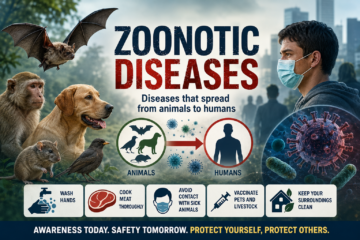
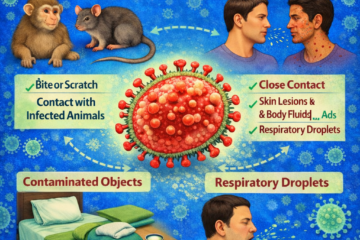
Direct contact with infected birds is the most common cause of human infection with the avian flu virus. This includes touching sick or dead birds, handling their droppings, feathers, or bodily fluids, or working in environments where infected birds are present.
Live bird markets are known hotspots for avian flu virus transmission. When many birds from different sources are kept together, the virus can spread rapidly and then reach people who work in or visit these markets.
Contaminated surfaces and equipment on farms can also carry the virus. Poor biosecurity practices allow the virus to linger in the environment and infect both animals and workers.
Infected dairy cattle represent a newer and concerning transmission route. Since early 2024, H5N1 has been detected in dairy cows across multiple US states. The virus has been found in raw unpasteurized milk from infected cows, making raw dairy a potential risk.
Human-to-human transmission of the virus is currently very limited and rare. There have been a small number of documented cases where the virus spread between family members in very close contact. However, the avian flu virus does not spread easily between people the way seasonal flu does, at least not yet. Scientists closely watch for any mutations that could change this.

5. Symptoms of Avian Flu Virus in Birds and Humans
In Birds
Birds infected with the avian flu virus can show a range of symptoms depending on the strain. Common signs include sudden unexpected death, swelling around the head and neck, purple discoloration of the comb or legs, a sharp drop in egg production, diarrhea, coughing, sneezing, and a general loss of energy and coordination.
In highly pathogenic strains, entire flocks can collapse within just 24 to 48 hours of infection, which is why early detection in poultry is so critical.
In Humans
In people, the avian flu virus typically causes symptoms within 3 to 7 days of exposure. Early signs are similar to regular seasonal flu, which is why it is important to mention any recent bird contact to your doctor right away.
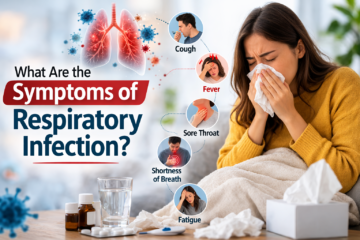
Mild symptoms of the avian flu virus in humans include high fever, cough, sore throat, runny nose, muscle aches, headache, fatigue, and eye redness or conjunctivitis. Pink eye symptoms are actually more common with bird flu than with regular seasonal flu.
Severe symptoms include shortness of breath, pneumonia, acute respiratory distress, chest pain, vomiting, diarrhea, confusion, and in serious cases, organ failure. If you develop any of these symptoms after contact with birds or poultry, seek medical care immediately. Early treatment makes a real difference in outcomes.
6. Who Is Most at Risk?
The general public faces a low risk of catching the avian flu virus. However, certain groups of people are significantly more vulnerable due to their close contact with animals.
People at higher risk include poultry farm workers and backyard flock owners, veterinarians and wildlife officials, public health and emergency responders working near infected animals, dairy farm workers, hunters and birdwatchers with frequent wild bird exposure, and anyone who visits live bird markets regularly.
If you fall into any of these groups, taking preventive steps every single day is very important.
7. Diagnosis and Treatment
How Is the Avian Flu Virus Diagnosed?
If a healthcare provider suspects the avian flu virus, they will collect samples, usually a nasal or throat swab, or an eye swab if conjunctivitis is present. These samples are sent to a specialized laboratory for PCR testing, which can identify the specific strain of the avian flu virus. Blood tests and chest X-rays may also be used to assess how severe the infection is. Early testing is critical. Do not wait too long if you think you have been exposed.
Treatment Options
The main treatment for the avian flu virus in humans involves antiviral medications. These work best when started as early as possible — ideally within 48 hours of when symptoms first appear.
Oseltamivir (Tamiflu) is the most commonly used antiviral for the avian flu virus and can be taken as a pill. Zanamivir (Relenza) is an inhaled option used when Tamiflu is not suitable. Peramivir (Rapivab) is given intravenously in hospital settings for more serious cases.
In addition to antivirals, patients with severe avian flu virus illness may need oxygen therapy, IV fluids, and treatment for secondary bacterial infections. Some cases require intensive care.
In birds, there is currently no effective treatment. When the avian flu virus is confirmed in a flock, infected and exposed birds are typically culled to prevent the disease from spreading further.
For the latest treatment guidance, you can visit the Centers for Disease Control and Prevention (CDC), which regularly updates its recommendations based on current outbreaks.
8. Prevention and Safety Tips
Preventing the avian flu virus comes down to awareness, good habits, and taking sensible precautions based on your level of exposure.
For the general public, avoid any contact with sick or dead birds. If you spot unusual numbers of dead birds in your area, report them to local wildlife or animal health authorities rather than handling them yourself. Wash your hands thoroughly with soap and water after any contact with birds, poultry, or farm environments. Avoid visiting live bird markets, especially during known outbreaks.
For poultry farm workers and backyard flock owners, maintaining strict biosecurity is essential. Keep wild birds away from your domestic poultry by using proper fencing and covered housing. Limit visitors to your farm and make sure anyone who does visit uses protective gear. Clean and disinfect equipment, cages, and clothing regularly. Monitor your flock daily for any unusual signs of illness and report concerns to your veterinarian immediately.
For all high-risk groups, wear gloves, face masks, and protective eyewear when handling birds. Change and wash your clothing after finishing work. Shower before leaving a farm or facility. Keep track of any symptoms you develop after working with animals and see a doctor promptly if you feel unwell.
Vaccination: While there is no widely available vaccine specifically designed to prevent the avian flu virus in humans, annual seasonal flu vaccines are still recommended. They will not protect you from bird flu directly, but they can reduce the chance of being infected by two flu viruses at the same time, which could complicate your health significantly.
9. Food Safety and the Avian Flu Virus
One question many people have during outbreaks is whether their food is safe. The good news is that the avian flu virus is heat-sensitive and is completely destroyed by proper cooking temperatures.
Poultry meat is safe to eat as long as it is cooked to an internal temperature of at least 74°C (165°F). Eggs are safe when both the white and yolk are fully cooked through. There is no evidence that eating properly cooked poultry or eggs can transmit the avian flu virus.
However, raw or unpasteurized milk is a different story. Since H5N1 was found in dairy cattle, raw milk has been identified as a potential source of the avian flu virus. Always choose pasteurized milk and dairy products to stay safe. Pasteurization effectively eliminates the virus and makes dairy products completely safe to consume.
Standard kitchen hygiene, such as washing your hands, keeping raw poultry separate from other foods, and cleaning surfaces — also goes a long way in reducing any risk.
Conclusion
The avian flu virus is a real and evolving public health concern, but it does not have to be something that causes fear or panic. Most people face a very low risk of infection in their daily lives. The people most at risk are those who work closely with birds and animals, and for them, following proper safety precautions makes a significant difference.
Staying informed is genuinely your best defense. Knowing what the avian flu virus is, how it spreads, what symptoms to watch for, and how to protect yourself and your family puts you in a much stronger position.
If you work with poultry or live animals, take your daily precautions seriously. If you notice sick or dead birds, report them. And if you develop flu-like symptoms after any animal exposure, do not wait, see a healthcare provider right away.
The avian flu virus is being closely monitored by health authorities worldwide, and with global cooperation, early detection, and public awareness, we can all play a role in keeping it under control.
Frequently Asked Questions
Can the avian flu virus spread easily from birds to humans?
No. The avian flu virus does not spread easily to humans. Most infections happen in people who have had close, direct contact with infected birds or heavily contaminated environments. The general public faces very low risk.
Is the avian flu virus the same as the regular flu?
No. Although both are influenza A viruses, the avian flu virus is a completely different strain. It behaves differently, spreads differently, and tends to cause much more severe illness in humans than ordinary seasonal flu.
Is chicken safe to eat during an avian flu virus outbreak?
Yes, properly cooked chicken is completely safe. Cooking poultry to the correct internal temperature destroys the avian flu virus. Always make sure your chicken is thoroughly cooked before eating.
How deadly is the avian flu virus in humans?
It depends on the strain. H5N1, one of the most dangerous strains, has had a reported fatality rate of around 52% in confirmed human cases globally. However, during the most recent US outbreak, most human cases were mild, with very few deaths reported.
Can I drink milk safely during an avian flu virus outbreak?
Pasteurized milk is completely safe. The pasteurization process kills the avian flu virus. Avoid raw or unpasteurized milk and dairy products, especially during active outbreaks in cattle.
Will the avian flu virus cause a pandemic?
Scientists cannot say for certain. Currently, human-to-human transmission remains very limited. However, health experts continue to monitor the avian flu virus closely because of its potential to mutate into a form that spreads more easily between people.