

What is the ASLO Test and Why Does It Matter?
ASLO test and treatment (Antistreptolysin O test) is a crucial blood test that detects antibodies your body produces in response to streptococcal bacterial infections. If you’ve recently had a sore throat or skin infection, your doctor might recommend ASLO test and leukocyte test to check for strep-related complications.
This simple blood test measures the level of antibodies called antistreptolysin O (ASO) in your bloodstream. These antibodies form when your immune system fights against streptolysin O, a toxic substance released by group A Streptococcus bacteria.
Understanding Streptococcal Infections and ASLO
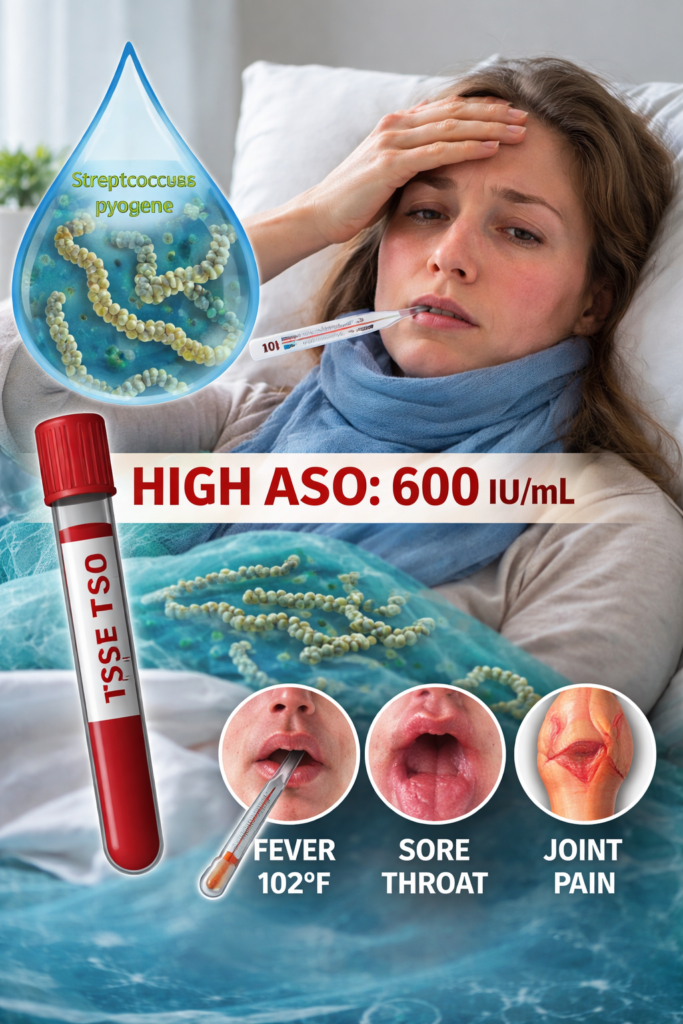
Group A Streptococcus bacteria cause common infections like strep throat and scarlet fever. When these bacteria invade your body, they release streptolysin O. Your immune system responds by creating ASO antibodies to neutralize this toxin.
The ASLO test and treatment becomes essential when doctors suspect post-streptococcal complications. These conditions can develop weeks after the initial infection has cleared, making early detection critical for effective treatment.
Common Conditions Detected by ASLO Testing
Rheumatic Fever: This serious inflammatory condition affects your heart, joints, skin, and nervous system. It typically develops 2-4 weeks after an untreated strep throat infection.
Post-Streptococcal Glomerulonephritis: This kidney inflammation occurs when your immune system’s response to strep infection damages the kidney’s filtering units. Symptoms include blood in urine, high blood pressure, and swelling.
Scarlet Fever Complications: While scarlet fever itself is treatable, the ASLO test helps monitor potential long-term complications.
When Should You Get an ASLO Test?
Your healthcare provider may order this test if you experience:
- Persistent joint pain and swelling
- Chest pain or heart palpitations
- Unexplained fever lasting several weeks
- Decreased urine output or blood in urine
- Recent history of strep throat or skin infection
- Symptoms suggesting rheumatic fever
- Unexplained kidney problems
Children and young adults between ages 5-15 face higher risk for post-streptococcal complications. The ASLO test proves particularly valuable for this age group.
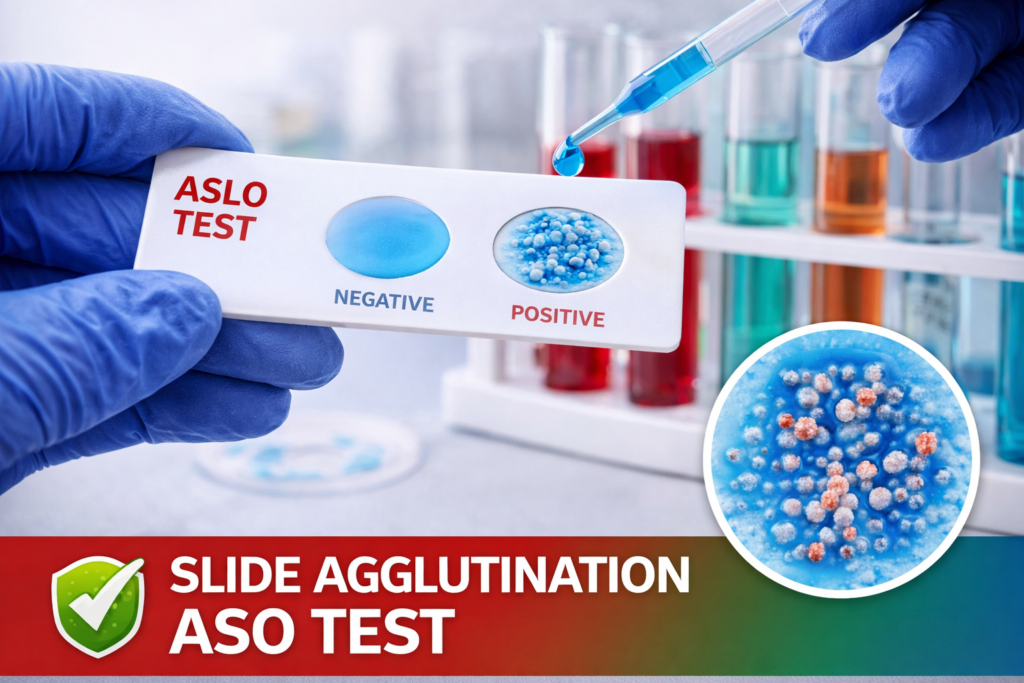
How the ASLO Test Works: Step-by-Step Process
Before the Test:
No special preparation is required for the ASLO test. Before appointment you can eat and drink normally. However, inform your doctor about all medications you’re taking, as some drugs may interfere with results.
During the Test
A healthcare professional will:
- Clean the injection site with antiseptic
- Tie an elastic band around your upper arm
- Insert a needle into your vein
- Collect blood into sterile tubes
- Remove the needle and apply pressure to stop bleeding
- Place a bandage over the puncture site
The entire process takes less than 5 minutes. You might feel a brief pinch when the needle enters your skin.
After the Test
You can resume normal activities immediately. Minor bruising at the puncture site is common and typically disappears within a few days.
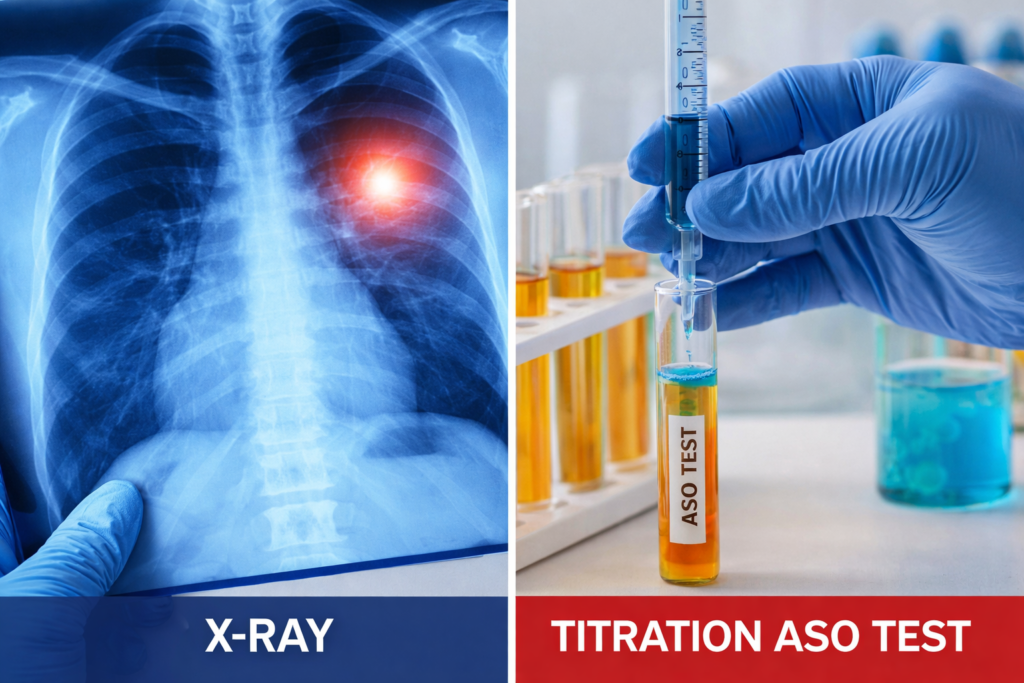
Understanding ASLO Test Results
Normal ASLO Levels
Normal values typically range from 0 to 200 IU/mL (international units per milliliter). However, reference ranges may vary between laboratories. Always discuss your specific results with your professional healthcare provider.
Elevated ASLO Levels
High ASO antibody levels indicate recent streptococcal infection. The ASLO test results rise 1-2 weeks after infection, peak at 3-5 weeks, and gradually decline over several months.
Important Note: A single elevated result doesn’t confirm post-streptococcal complications. Doctors often request repeat testing after 10-14 days to monitor changes in antibody levels.
Factors Affecting Results
Several factors can influence ASLO test outcomes:
- Timing: Testing too early after infection may show normal results
- Antibiotics: Early antibiotic treatment can prevent antibody rise
- Age: Children naturally have lower ASO levels than adults
- Geographic location: Reference ranges vary by region
- Previous infections: Past strep infections can maintain elevated levels
Treatment Options Based on ASLO Test Results
For Elevated ASLO Levels Without Symptoms
If your ASLO test shows elevated antibodies but you have no symptoms, treatment focuses on monitoring. Your doctor may:
- Schedule follow-up blood tests
- Monitor for developing symptoms
- Review your medical history for untreated infections
- Recommend prophylactic antibiotics in specific cases
For Rheumatic Fever
Treatment includes:
Antibiotics: Penicillin or alternative antibiotics eliminate remaining streptococcal bacteria and prevent recurrence.
Anti-inflammatory Medications: Aspirin or naproxen reduce joint inflammation and fever.
Corticosteroids: Severe cases involving heart inflammation require stronger anti-inflammatory drugs.
Long-term Prevention: Monthly penicillin injections may continue for years to prevent recurrence.
For Post-Streptococcal Glomerulonephritis
Treatment approaches include:
Blood Pressure Management: Medications control hypertension and reduce kidney strain.
Fluid Restriction: Limiting fluid intake prevents additional kidney stress.
Dietary Modifications: Reduced salt and protein intake supports kidney function.
Dialysis: Severe cases may require temporary dialysis support.
For Active Streptococcal Infections
If the ASLO test reveals ongoing infection:
Antibiotics: Complete the full course of prescribed antibiotics, typically 10 days.
Symptom Relief: Over-the-counter pain relievers reduce throat pain and fever.
Rest and Hydration: Adequate rest and fluid intake support recovery.
Isolation: Stay home to prevent spreading infection to others.
Prevention Strategies After ASLO Testing
Preventing Future Streptococcal Infections
- Practice frequent handwashing with soap and water
- Avoid sharing utensils, drinking glasses, or personal items
- Cover your mouth when coughing or sneezing
- Stay away from people with active strep infections
- Replace your toothbrush after completing antibiotic treatment
Long-term Monitoring
Patients with previous rheumatic fever require ongoing surveillance. Your doctor may recommend:
- Regular ASLO test monitoring every 6-12 months
- Periodic echocardiograms to assess heart function
- Prophylactic antibiotics before dental procedures
- Annual cardiac evaluations
Cost and Accessibility of ASLO Testing
The ASLO test is widely available at hospitals, diagnostic centers, and medical laboratories. Costs vary depending on location and insurance coverage, typically ranging from $20 to $80. Most insurance plans cover this test when medically necessary.
Conclusion: Taking Action on ASLO Test Results
The ASLO test serves as a vital diagnostic tool for detecting and managing post-streptococcal complications. Early detection through this blood test enables timely treatment, preventing serious long-term health problems.
If you experience symptoms suggesting streptococcal infection or its complications, consult your healthcare provider promptly. The simple ASLO test can provide crucial information guiding your treatment plan and protecting your long-term health.
Remember that elevated ASO levels don’t automatically mean you have rheumatic fever or kidney disease. Work closely with your doctor to interpret results within the context of your symptoms and medical history. With proper testing, treatment, and prevention strategies, most patients achieve full recovery from streptococcal infections and their complications.
Frequently Asked Questions (FAQs)
What is the ASO test?
ASO (Antistreptolysin O) test is a blood test used to detect antibodies produced against toxins released by Streptococcus bacteria.
What is the normal ASO level?
- Adults: < 200 IU/mL
- Children: < 400 IU/mL (may vary)
What methods are used for ASO testing?
- Slide agglutination method
- Tube/titration method
- Latex agglutination method
What are symptoms of streptococcal infection?
- Sore throat
- Fever
- Joint pain
- Skin rash
What is the treatment for high ASO?
- Antibiotics (e.g., penicillin)
- Anti-inflammatory drugs
- Supportive care
What is a positive ASO test?
Presence of visible agglutination or elevated antibody level above normal range.
What precautions should be taken during ASO test?
- Use fresh serum
- Avoid hemolysis
- Follow proper dilution technique
What are complications of untreated streptococcal infection?
- Rheumatic heart disease
- Kidney damage (glomerulonephritis)
Can ASO test be repeated?
Yes, paired samples (2–4 weeks apart) help confirm rising antibody levels.
Reference Information link
https://www.testing.com/tests/antistreptolysin-o-aso/
https://emedicine.medscape.com/article/2113540-overview?form=fpf
https://tamc.co.il/en/tests/aslo-antistreptolysin-o/
https://www.carehospitals.com/diagnostics/aso-test
https://www.ucsfhealth.org/care/medical-tests/antistreptolysin-o-titer
Medical Disclaimer:
This article is for educational purposes only and does not replace professional medical advice. Always follow the specific instructions provided by your healthcare provider or laboratory.