
Introduction:
Ebola virus transmission is one of the most feared topics in modern medicine – and for good reason. Since the virus was first identified in 1976 near the Ebola River in what is now the Democratic Republic of Congo, it has caused dozens of outbreaks, thousands of deaths, and widespread panic across communities and borders. Understanding exactly how Ebola spreads is the first and most important step toward preventing it.
In this article, we break down ebola virus transmission in a clear, easy-to-understand way – covering where it comes from, how it moves from animals to people, how it spreads between humans, who is most at risk, and what effective prevention looks like.
What Is Ebola Virus Disease?
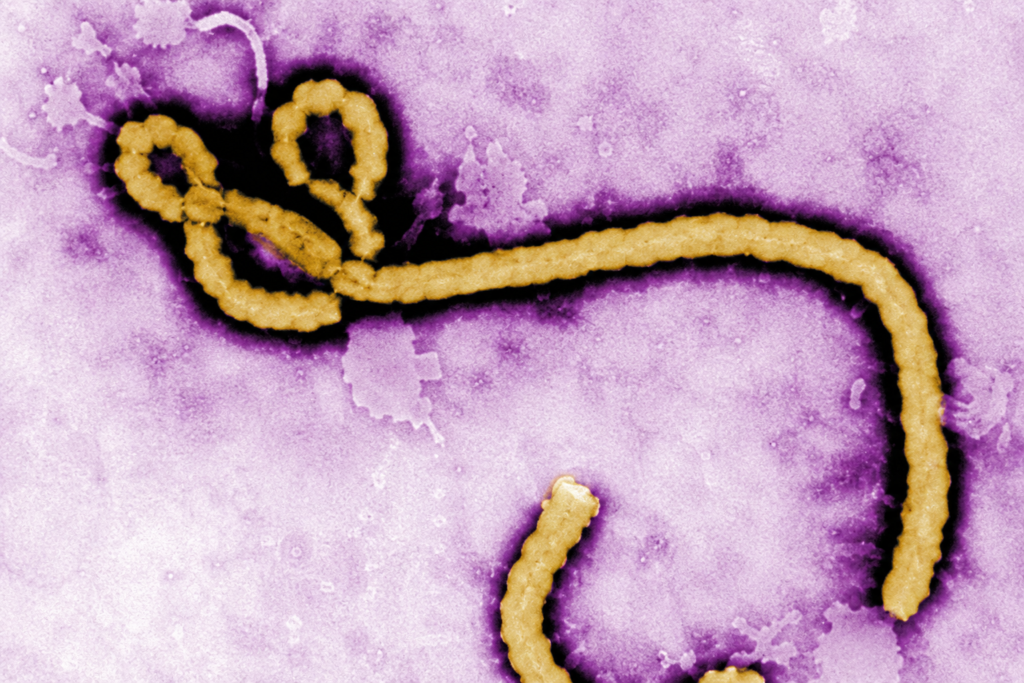
Ebola virus disease (EVD) is a severe and often fatal illness caused by a group of viruses known as orthoebolaviruses. It belongs to the family Filoviridae and affects both humans and non-human primates such as gorillas, chimpanzees, and monkeys. There are currently five known species of Ebola virus, with the Zaire ebolavirus being the most deadly and the most commonly responsible for major outbreaks.
The disease attacks the body’s immune system and organs, and in serious cases, it causes internal bleeding and multiple organ failure. Case fatality rates have ranged from 25% to as high as 90% in past outbreaks, making Ebola one of the most dangerous viruses ever recorded.
According to the World Health Organization (WHO), the first major Ebola outbreak occurred simultaneously in Sudan and the Democratic Republic of Congo in 1976. Since then, the virus has re-emerged multiple times, with the 2014–2016 West Africa outbreak being the largest in history.
Where Does Ebola Come From? The Animal Origin
Before discussing ebola virus transmission between humans, it is important to understand where the virus originates.
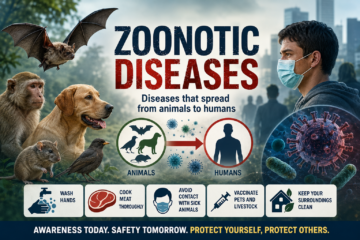
Scientists believe that African fruit bats – particularly those in the Pteropodidae family – are the natural hosts, or reservoirs, of the Ebola virus. This means the virus lives inside these bats without making the bats themselves severely sick. When humans or other animals come into contact with these infected bats, the virus can jump across species in what is called a spillover event.
The virus can also pass through other animals first. Chimpanzees, gorillas, forest antelopes, and porcupines have all been found infected with Ebola in the past. In fact, many of the initial human cases in documented outbreaks were linked to people who had hunted, handled, or consumed the meat of infected animals – a practice often referred to as bushmeat consumption.
Once the virus enters the human population through this spillover, person-to-person ebola virus transmission can begin rapidly, especially in areas where health systems are weak.
Deadly Ways Ebola Virus Transmission Happens
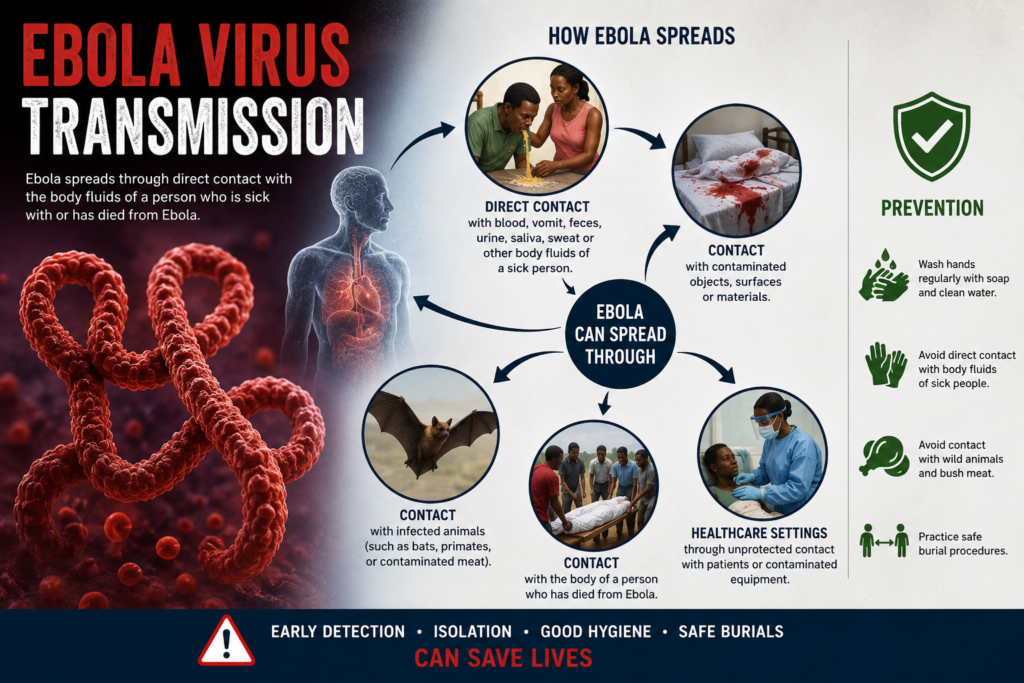
Understanding the exact routes of ebola virus transmission is critical – both for protecting yourself and for stopping an outbreak in its tracks. Here are the six most important pathways:
1. Direct Contact with Infected Blood or Body Fluids
This is the primary route of ebola virus transmission between humans. The virus is present in blood, urine, saliva, sweat, feces, vomit, breast milk, and amniotic fluid of an infected person. It enters a new host through broken skin or mucous membranes in the eyes, nose, or mouth.
A person is not infectious during the incubation period – they only become capable of spreading the virus once symptoms appear.
2. Contact with Contaminated Objects and Surfaces
Ebola can survive on surfaces and objects for a period of time outside the body. Needles, syringes, bedding, clothing, and medical equipment that have been contaminated by an infected person’s body fluids can all serve as vehicles of transmission. This is why proper sterilization and disposal of medical equipment is so critical during outbreaks.
3. Handling or Preparing Infected Animals
Hunting, skinning, or preparing the meat of infected wild animals poses a serious transmission risk. Communities in Central and West Africa where bushmeat is a common food source have faced this danger repeatedly. Even handling a dead infected animal without protective equipment can be enough to transmit the virus.
4. Unsafe Burial Practices
Traditional burial rituals that involve touching or washing the body of a deceased person who died from Ebola are a major contributor to the spread of the disease. A person who has died from Ebola can still transmit the virus, and the body remains highly infectious. Many outbreaks have been significantly worsened by community funeral practices that brought large numbers of people into contact with infected remains.
5. Healthcare Worker Exposure
Healthcare workers who treat Ebola patients are at extremely high risk if they do not use proper personal protective equipment (PPE). Even a small break in protocol – a torn glove, an exposed patch of skin, or improper removal of a protective suit – can lead to infection. During the 2014 -2016 West Africa outbreak, hundreds of healthcare workers became infected and died.
According to the Centers for Disease Control and Prevention (CDC), infection prevention and control practices are the most essential shield for healthcare staff working with Ebola patients.
6. Sexual Transmission from Recovered Survivors
This is one of the less widely known but important routes of ebola virus transmission. Even after a person has recovered from Ebola, the virus can persist in certain areas of the body that are shielded from the immune system — such as the testes, eyes, and central nervous system. Ebola has been detected in semen for up to 12 months or longer after recovery. Sexual contact with a recovered survivor can therefore still pose a transmission risk, and survivors are advised to use condoms and undergo testing before resuming unprotected sexual activity.
Who Is Most at Risk?
While anyone can potentially be exposed to Ebola, certain groups face a significantly higher risk due to their roles or locations:
- Healthcare workers caring for infected patients without full PPE
- Family members providing home care to a sick relative
- Hunters and farmers who handle wild animals in affected regions
- Laboratory workers handling samples from infected individuals
- People attending traditional funerals in regions with active outbreaks
- Travelers to areas experiencing ongoing Ebola outbreaks
People living in regions of Central and West Africa where the virus is endemic face a much higher baseline risk than those in other parts of the world.
Symptoms to Watch For
Ebola virus transmission is followed by an incubation period of 2 to 21 days – meaning symptoms appear somewhere between 2 and 21 days after exposure. The average is around 8 to 10 days.
Early symptoms include:
- Sudden high fever
- Severe headache
- Intense muscle pain and weakness
- Fatigue
- Sore throat
As the disease progresses, more serious symptoms develop:
- Vomiting and diarrhea (often bloody)
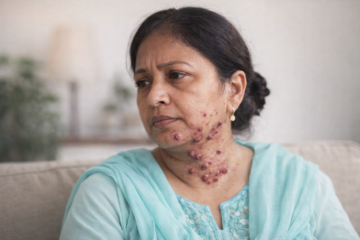
- Rash on the body
- Impaired kidney and liver function
- In severe cases, internal and external bleeding
If you have recently traveled to an affected region or been in contact with a known or suspected Ebola case and you develop these symptoms, seek medical attention immediately and inform healthcare providers of your exposure history.
Diagnosis and Treatment
Diagnosing Ebola requires laboratory testing. Common methods include RT-PCR (reverse transcription polymerase chain reaction) tests that detect the virus’s genetic material in the blood. Early testing is critical because symptoms overlap with many other illnesses, including malaria and typhoid fever.
There is currently no universally approved cure for Ebola. However, there are two treatments – atoltivimab/maftivimab/odesivimab (Inmazeb) and ansuvimab (Ebanga) – that have been approved for the Zaire ebolavirus strain. Supportive care, including fluids, electrolyte management, and treatment of secondary infections, significantly improves survival rates.
Importantly, a vaccine called rVSV-ZEBOV (Ervebo) has been approved and is used in a ring vaccination strategy during outbreaks to protect those most at risk.
Powerful Prevention Strategies
Preventing ebola virus transmission relies on a combination of personal precautions, community awareness, and healthcare preparedness:
Avoid contact with wild animals. Do not touch, handle, or consume bushmeat in regions where Ebola is known to circulate among animal populations.
Use protective equipment. Healthcare workers must strictly follow PPE protocols when treating suspected or confirmed Ebola patients.
Practice safe burial. Follow WHO-recommended safe and dignified burial practices that eliminate contact with the deceased’s body fluids.
Isolate infected individuals. Quick identification and isolation of infected people is one of the most effective tools for halting transmission chains.
Get vaccinated where available. The Ervebo vaccine has proven effective in protecting high-risk individuals during active outbreaks.
Follow survivor guidance. Recovered patients should follow all post-recovery protocols, especially around sexual activity, to prevent ongoing transmission.
Conclusion:
Ebola virus transmission remains a serious and deadly global health concern. While it does not spread through casual contact like the flu or cold, the ways it does spread – through body fluids, contaminated objects, infected animals, and unsafe practices – make it capable of causing devastating local outbreaks if not quickly contained.
Knowledge is your first line of defense. Understanding how ebola virus transmission occurs empowers communities, travelers, and healthcare workers to take action before exposure happens.
For more trusted and detailed information, refer to these authoritative sources:
- CDC — How Ebola Disease Spreads (Do-Follow)
- WHO — Ebola Disease Fact Sheet (Do-Follow)
- Annals of Global Health — Ebola Research (Do-Follow)
- Singapore CDA — Ebola Virus Disease (Do-Follow)
Stay informed. Stay protected. Ebola is dangerous – but with the right knowledge, it is also preventable.
Frequently Asked Questions
What is Ebola virus transmission?
Ebola virus transmission means the spread of the Ebola virus from infected humans or animals to other people through direct contact.
How does Ebola spread from person to person?
Ebola spreads through direct contact with:
- Blood
- Vomit
- Saliva
- Urine
- Sweat
- Semen
- Other body fluids of an infected person
Can Ebola spread through the air?
No. Ebola is not an airborne disease like influenza or COVID-19. It usually spreads through direct physical contact with infected body fluids.
Can Ebola spread by touching contaminated surfaces?
Yes. The virus can spread through contaminated objects such as:
- Needles
- Medical equipment
- Bedding
- Clothing
- Surfaces with infected body fluids
Which animals can transmit Ebola virus?
Ebola may spread from infected wild animals such as:
- Fruit bats
- Monkeys
- Gorillas
- Chimpanzees
Can Ebola spread during burial ceremonies?
Yes. Traditional burial practices involving direct contact with the body of a deceased Ebola patient can transmit the virus.