
Introduction
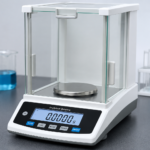
An analytical balance is one of the most important instruments found in laboratories around the world. From pharmaceutical research to clinical diagnostics, food testing, and academic teaching labs, this precise weighing device plays a central role in producing accurate and reliable results.
Unlike a regular kitchen scale, an analytical balance can measure extremely small masses, often down to 0.0001 grams (one-tenth of a milligram). This level of precision is essential when even a tiny weighing error could affect an experiment, a drug formulation, or a diagnostic test result.
If you are a chemistry student, a laboratory technician, a pharmacist, or simply curious about how scientists measure such tiny amounts of substances accurately, this article will guide you through everything you need to know about the analytical balance. We will explain its history, working principle, components, procedure, and much more, all in simple and easy-to-understand language.
Definition of Analytical Balance
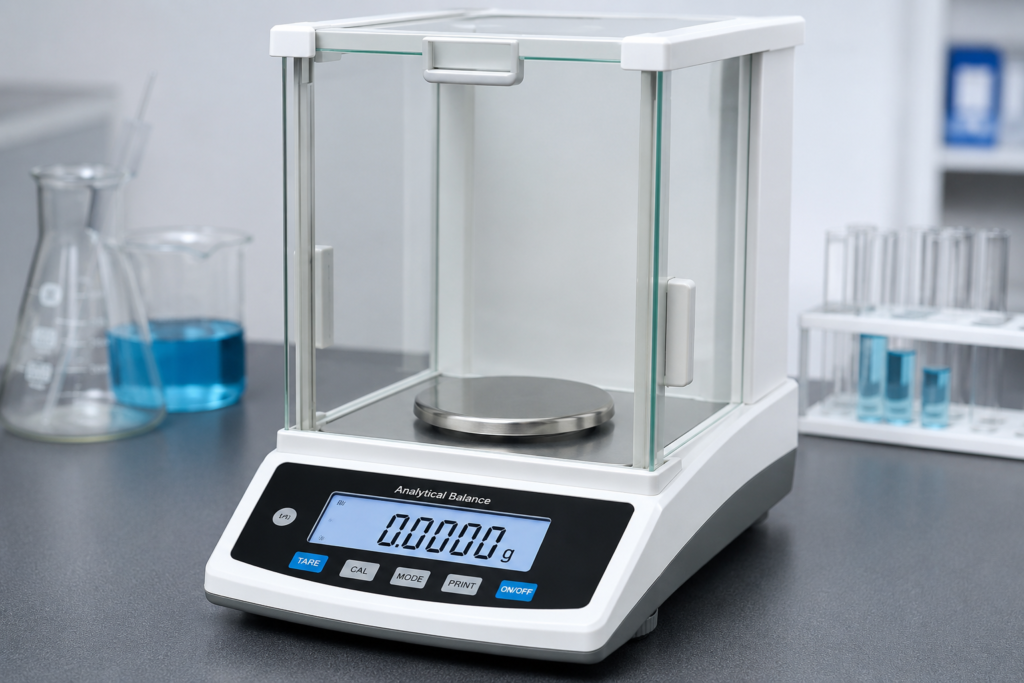
An analytical balance is a highly sensitive laboratory instrument used to measure small masses with extremely high precision and accuracy, typically to the nearest 0.0001 gram or better. It is widely used in chemistry, pharmacy, biology, and quality control laboratories where precise measurements are critical.
The term “analytical” refers to the balance’s primary use in analytical chemistry, a branch of chemistry focused on determining the composition and concentration of substances. Because even a slight measurement error can affect analytical results, this type of balance is designed with special features to minimize errors caused by air currents, vibration, temperature, and static electricity.
History of the Analytical Balance
The development of the analytical balance reflects centuries of scientific progress toward greater measurement precision.
- Ancient times: Simple two-pan balances were used in ancient Egypt and Mesopotamia for trade and commerce, relying on comparing unknown weights against known reference weights.
- 18th century: Antoine Lavoisier used highly accurate balances to establish the law of conservation of mass, forming a cornerstone of modern analytical chemistry.
- 19th century: Mechanical analytical balances with magnetic damping and finely calibrated beams became standard equipment in chemistry laboratories, allowing measurements accurate to a few tenths of a milligram.
- 1940s–1950s: Single-pan mechanical balances were introduced, simplifying the weighing process compared to traditional two-pan designs.
- 1970s onward: Electronic analytical balances, using electromagnetic force restoration technology, replaced most mechanical balances, offering faster, more accurate, and easier-to-use weighing systems.
- Modern era: Today’s analytical balances feature digital displays, internal calibration systems, and connectivity options for data recording, making them faster and more reliable than ever before.
This evolution from simple mechanical scales to advanced electronic instruments has dramatically improved the speed and accuracy of laboratory measurements.
Classification of Laboratory Balances
Laboratory balances are generally classified based on their precision and readability. Here is a simple comparison:
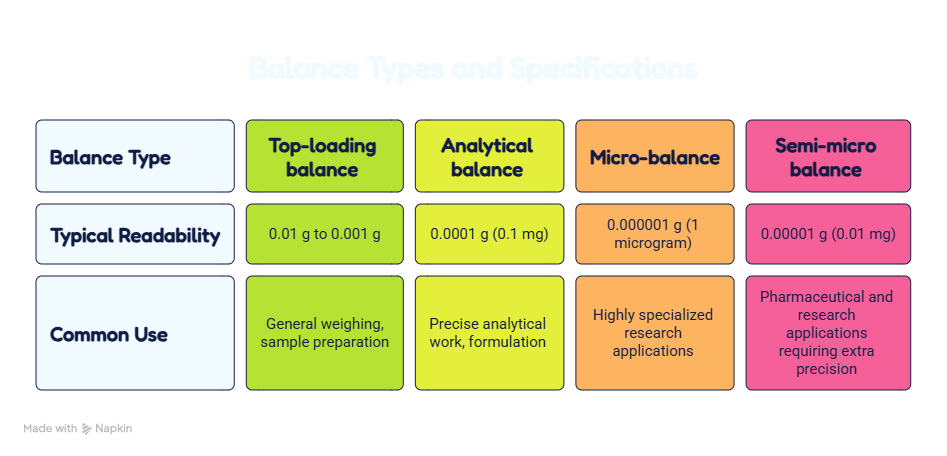
An analytical balance sits between top-loading and micro-balances in terms of precision, offering a practical balance between sensitivity and everyday usability.
Components and Parts of an Analytical Balance
An analytical balance consists of several important parts, each contributing to its precision and reliability.
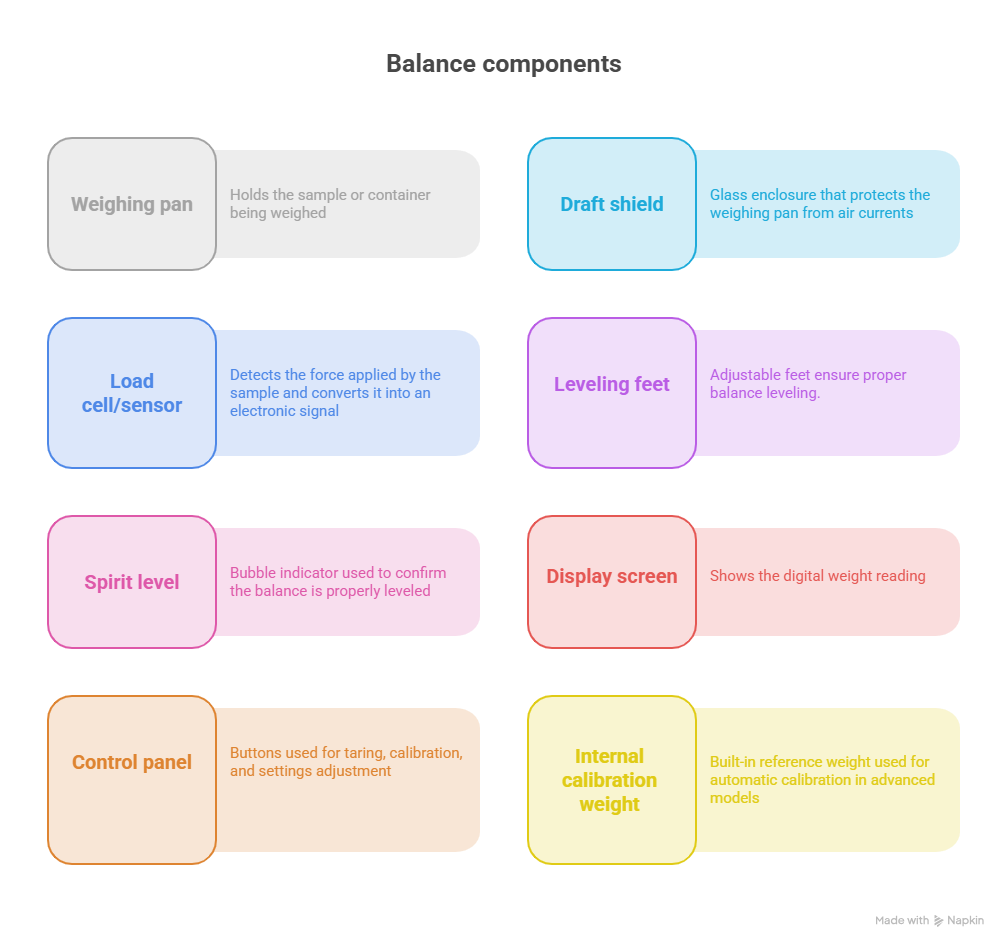
The draft shield is essential because even minor air currents can interfere with highly sensitive weight measurements, leading to inaccurate results.
Principle of the Analytical Balance
The analytical balance principle is based on measuring the force exerted by a sample due to gravity and converting that force into an accurate mass reading.
Modern electronic analytical balances typically operate using one of the following principles:
1. Electromagnetic Force Restoration (EMFR)
This is the most common principle used in modern analytical balances. When a sample is placed on the pan, it displaces the pan slightly. A sensor detects this displacement, and an electromagnetic coil generates an equal and opposite force to bring the pan back to its original position. The amount of electrical current needed to generate this counteracting force is directly proportional to the mass of the sample, allowing precise measurement.
2. Strain Gauge Technology
Some balances use strain gauges, which are small sensors that measure tiny changes in electrical resistance caused by the deformation of a material under load. This deformation is converted into a mass reading, though this method is generally used in less sensitive balances compared to EMFR technology.
Working Principle and Mechanism
Here is a simplified breakdown of how an electronic analytical balance works step by step:
- The balance is leveled using the adjustable feet and spirit level to ensure accurate readings.
- Switch on the balance and allow it to stabilize until it reaches thermal equilibrium before use.
- A clean, dry container is placed on the weighing pan, and the balance is tared (zeroed) to exclude the container’s weight.
- The sample is carefully added to the container using a spatula or dropper.
- The load cell detects the downward force caused by the sample’s weight.
- An electromagnetic coil generates a counteracting force to balance the load, and the electrical current required is measured.
- The internal microprocessor converts this electrical signal into a precise mass reading.
- The final weight is displayed on the digital screen, often to four or five decimal places.
This entire process typically takes only a few seconds, though allowing the reading to stabilize fully ensures the most accurate result.
Procedure for Using an Analytical Balance
Preparation
- Place the analytical balance on a stable, vibration-free surface, ideally a dedicated weighing table.
- Level the balance using the built-in spirit level and adjustable feet.
- Allow the balance to warm up according to the manufacturer’s instructions, usually 30 minutes to a few hours for optimal stability.
Weighing Steps
- Close the draft shield doors to prevent air currents from affecting the reading.
- Press the tare button to zero the display if using a weighing container.
- Briefly open the draft shield, carefully position the sample on the weighing pan, and close the shield promptly before taking the measurement.
- Wait for the reading to stabilize before recording the final weight.
- Record the weight accurately, following your laboratory’s standard operating procedure.
After Weighing
- Remove the sample and clean any spills immediately to prevent contamination or corrosion.
- Close the draft shield doors to protect the balance when not in use.
- Record the weighing activity in the balance’s usage logbook, if required by laboratory protocol.
Applications of the Analytical Balance
The analytical balance is used across many scientific and industrial fields, including:
- Pharmaceutical laboratories: Measuring precise quantities of active ingredients during drug formulation and quality control testing
- Clinical and diagnostic laboratories: Preparing reagents and calibration standards requiring exact measurements
- Academic and research laboratories: Teaching students proper weighing techniques and supporting research experiments
- Food and beverage industry: Used for the precise measurement of ingredients during product formulation, research, and quality control procedures.
- Environmental testing laboratories: Weighing filter papers and samples for pollutant analysis
- Forensic laboratories: Measuring trace evidence with high precision for legal and investigative purposes
Material science research: Determining precise sample weights for chemical composition analysis
Advantages of the Analytical Balance
- Provides extremely high measurement precision, often to four or five decimal places
- Digital displays allow quick and easy reading of results
- Modern models often include automatic internal calibration for convenience
- Draft shields protect measurements from air currents and environmental interference
- Data connectivity options allow direct transfer of results to laboratory information systems
- Long-term reliability when properly maintained and calibrated
Disadvantages and Limitations
- Highly sensitive to environmental factors such as vibration, temperature changes, and air currents
- The analytical balance should be installed in a fixed, vibration-free location away from doors, windows, and areas with frequent foot traffic.
- Higher cost compared to standard top-loading balances
- Requires regular calibration and maintenance to preserve accuracy
- Static electricity can interfere with readings, especially when weighing powders or plastics
Clinical and Laboratory Significance
While the analytical balance itself is not a diagnostic instrument, its role in laboratory medicine is significant because it directly affects the accuracy of test results.
For example, preparing calibration standards, reagents, and quality control materials for clinical chemistry or hematology testing requires extremely accurate weighing. Even a small weighing error during reagent preparation could lead to inaccurate patient test results, potentially affecting diagnosis or treatment decisions.
In pharmaceutical compounding, the analytical balance ensures that medications contain precisely the correct amount of active ingredient, which is essential for patient safety and treatment effectiveness.
Interpretation of Results
Interpreting readings from an analytical balance involves more than simply recording the displayed number. Consider the following factors:
- Stability of the reading: Always wait until the display stabilizes fully before recording a measurement, as fluctuating readings may indicate air currents or vibration interference.
- Consistency with expected values: Compare the measured weight with expected values based on the experiment or formulation being prepared.
- Repeatability: Weighing the same sample multiple times should produce consistent results; significant variation may indicate a calibration or environmental issue.
- Calibration status: Always confirm the balance has been calibrated recently and is operating within acceptable tolerance limits before relying on its measurements.
Frequently Observed Errors
Several common errors can affect the accuracy of an analytical balance:
- Environmental interference: Air currents, vibrations, or temperature fluctuations affecting readings
- Static electricity: Especially common when weighing plastic containers or powders, causing inconsistent readings
- Improper leveling: Using the balance without confirming it is properly leveled
- Contaminated weighing pan: Dust, spilled chemicals, or residue affecting tare and sample readings
- Calibration drift: Gradual loss of accuracy over time without regular calibration checks
- Parallax error: Rare in digital balances, but can occur when reading older mechanical balance scales at an angle
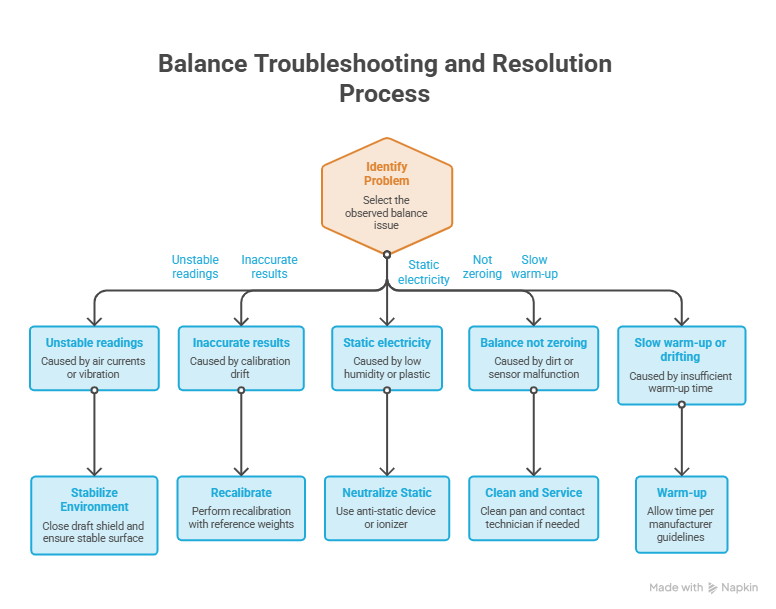
Troubleshooting Common Issues
Care and Maintenance
Proper care ensures the long-term accuracy and reliability of an analytical balance:
- Clean the weighing pan and draft shield regularly using a soft brush or lint-free cloth.
- Avoid placing the balance near heat sources, direct sunlight, air conditioning vents, or open windows.
- Use the balance on a vibration-free, dedicated weighing table whenever possible.
- Perform routine calibration checks according to your laboratory’s quality assurance schedule.
- Keep the balance covered when not in use to prevent dust accumulation.
Schedule periodic professional servicing to check internal components and sensor accuracy.
Quality Assurance: IQC and EQA
Internal Quality Control (IQC)
Internal quality control for an analytical balance typically involves daily or routine checks using certified reference weights to confirm the balance is measuring accurately within acceptable tolerance limits. Any deviation beyond the allowed tolerance should prompt recalibration or servicing before further use.
External Quality Assessment (EQA)
Although External Quality Assessment (EQA) is primarily applied to clinical testing, laboratories that use analytical balances for regulated activities, such as pharmaceutical manufacturing, frequently take part in independent calibration verification programs conducted by accredited organizations. accredited metrology laboratories. This ensures the balance’s performance meets recognized national and international standards, such as those outlined by CLSI or relevant metrology institutes.
Maintaining thorough documentation of calibration records, including reference weight certificates and calibration dates, is essential for laboratory accreditation and regulatory compliance.
Safety Precautions
- Handle chemicals and samples carefully to avoid spills on or around the balance.
- Clean any spilled substances immediately to prevent damage to the balance’s internal components.
- Avoid overloading the balance beyond its maximum capacity, as this can damage the load cell.
- Wear suitable personal protective equipment (PPE), including gloves, whenever weighing hazardous materials to minimize the risk of exposure.
- Ensure the balance is placed on a stable surface to prevent accidental tipping or damage.
Follow manufacturer guidelines for safe operation, especially when using internal calibration features.
Key Takeaways
- An analytical balance measures small masses with extremely high precision, often to 0.0001 grams.
- Modern analytical balances primarily use electromagnetic force restoration technology for accurate measurements.
- Proper environmental conditions, including a stable surface and protection from air currents, are essential for accurate readings.
- Regular calibration and maintenance are critical to ensure long-term measurement accuracy.
- Analytical balances are essential instruments used in pharmaceutical, clinical, research, and industrial laboratories for precise measurement tasks.
Conclusion
The analytical balance stands as one of the most essential and trusted instruments in laboratories worldwide, providing the precision required for accurate scientific work. From its early mechanical origins to today’s advanced electronic models using electromagnetic force restoration technology, this instrument has continually evolved to meet the growing demands of modern science.
Understanding how an analytical balance works, along with proper procedures for use, care, and calibration, empowers students, laboratory professionals, and researchers to achieve consistently accurate and reliable results. Whether preparing pharmaceutical formulations, clinical reagents, or research samples, the analytical balance remains a cornerstone of precision measurement.
As laboratories continue to advance technologically, the fundamental importance of accurate weighing remains unchanged. Proper training, routine maintenance, and adherence to quality assurance practices ensure that this valuable instrument continues to support accurate scientific discovery and reliable diagnostic testing for years to come.
Frequently Asked Questions (FAQs)
What is the main use of an analytical balance?
An analytical balance is primarily used to measure very small masses with high precision, commonly used in chemistry, pharmacy, and research laboratories for accurate sample and reagent preparation.
How accurate is an analytical balance?
Most analytical balances can measure to the nearest 0.0001 gram, though some specialized models offer even greater precision.
Why does an analytical balance have a glass draft shield?
The draft shield protects the weighing pan from air currents, dust, and other environmental factors that could affect the accuracy of the measurement.
How often should an analytical balance be calibrated?
Calibration frequency depends on usage and laboratory protocols, but most laboratories perform daily checks with reference weights and schedule formal calibration at regular intervals, often quarterly or annually.
Can static electricity affect analytical balance readings?
Yes, static electricity, especially when weighing plastic containers or powders, can cause inconsistent or inaccurate readings. Using an anti-static device can help minimize this issue.
What is the difference between an analytical balance and a top-loading balance?
An analytical balance offers much higher precision, typically to 0.0001 grams, while a top-loading balance usually measures to 0.01 or 0.001 grams and is used for less precise, general weighing tasks.