
Table of Contents
- What Is Salmonella Infection
- Overview of the Salmonella Outbreak 2025
- Causes of the 2025 Outbreak
- Symptoms of Salmonella Infection
- Diagnosis and Laboratory Testing
- Treatment and Patient Care
- Prevention and Food Safety Measures
Introduction:
Salmonella outbreak 2025 has become a major public health concern in several countries. Health authorities have reported increasing cases of foodborne infections linked to contaminated food products. This outbreak has highlighted the importance of food safety, early diagnosis, and proper hygiene practices.
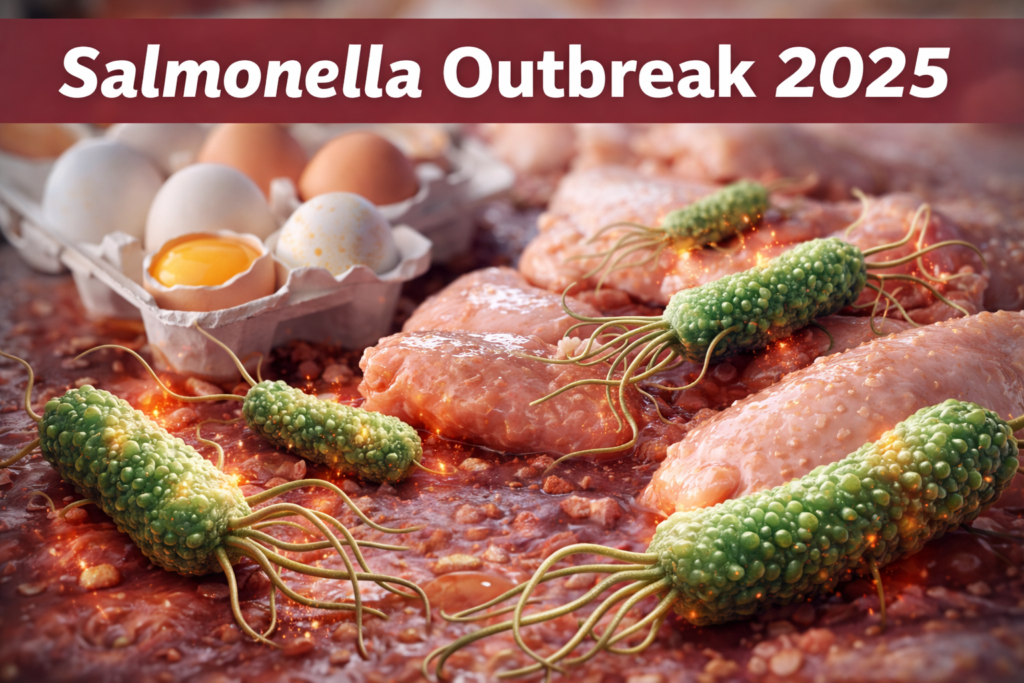
The bacterium responsible for the infection is Salmonella, which commonly spreads through contaminated food and water. In 2025, several regions have reported clusters of infection associated with poultry products, eggs, and fresh produce.
Understanding the causes, symptoms, and prevention of this outbreak is essential for protecting public health.
1. What Is Salmonella Infection
Salmonella infection is a type of foodborne illness caused by bacteria from the genus Salmonella. The infection usually affects the gastrointestinal system and leads to symptoms such as diarrhea, fever, and abdominal cramps.
People usually become infected after consuming contaminated food or drinks. The bacteria can survive in raw meat, poultry, eggs, dairy products, and sometimes fresh vegetables.
Most infections are mild and resolve within a few days. However, severe cases may require medical treatment, especially in children, elderly individuals, and people with weakened immune systems.
2. Overview of the Salmonella Outbreak 2025
The Salmonella outbreak 2025 has been reported in multiple countries and has affected thousands of individuals. Public health agencies are monitoring the situation closely to identify the source and limit further spread.
Several investigations have linked the outbreak to contaminated food supply chains. In many cases, contaminated poultry products and eggs have been identified as potential sources.
According to the World Health Organization, foodborne diseases remain a major global health issue. Salmonella infections are among the most common causes of bacterial food poisoning worldwide.
Public health officials continue to track infection clusters and recall contaminated food products to reduce risk.
3. Causes of the 2025 Outbreak
The Salmonella outbreak 2025 is mainly linked to contamination during food production and processing.
Common causes include:
- Improper food handling during processing
- Poor hygiene in food preparation areas
- Consumption of raw or undercooked poultry
- Cross-contamination between raw and cooked foods
- Contaminated water used in agriculture
Large-scale food production and global food distribution systems can allow bacteria to spread quickly across regions.
Food safety monitoring systems play a critical role in detecting outbreaks early.
4. Symptoms of Salmonella Infection
Symptoms of Salmonella infection usually appear 6 to 48 hours after exposure to the bacteria.
Common symptoms include:
- Diarrhea
- Fever
- Abdominal cramps
- Nausea
- Vomiting
- Headache
- Weakness
In most cases, symptoms last between 4 and 7 days.
However, severe infections may lead to dehydration or bloodstream infection. In such situations, immediate medical attention is necessary.
5. Diagnosis and Laboratory Testing
Laboratory diagnosis of Salmonella infection is usually confirmed by identifying the bacteria in patient samples.
Common diagnostic tests include:
- Stool culture
- Blood culture in severe cases
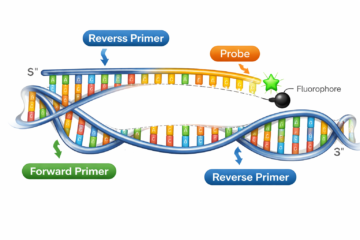
- Molecular diagnostic methods such as PCR
Microbiology laboratories isolate Salmonella enterica from stool samples to confirm infection.
Health laboratories also perform antibiotic susceptibility testing to determine the most effective treatment.
For more information about Salmonella infection and surveillance,
6. Treatment and Patient Care
Most Salmonella infections do not require antibiotics. The main treatment focuses on supportive care.
Recommended management includes:
- Drinking plenty of fluids to prevent dehydration
- Oral rehydration solutions
- Rest and adequate nutrition
Antibiotics may be required in severe infections or in high-risk patients such as infants or immunocompromised individuals.
Medical professionals carefully select antibiotics based on laboratory results and resistance patterns.
7. Prevention and Food Safety Measures
- Preventing infection is the most effective strategy to control the Salmonella outbreak 2025.
- Important preventive measures include:
- Proper food handling
- Wash hands thoroughly before preparing food and after handling raw meat.
- Cook food thoroughly
- Poultry and eggs should be cooked at safe temperatures to kill bacteria.
- Avoid cross-contamination
- Use separate cutting boards for raw meat and vegetables.
- Maintain kitchen hygiene
- Clean surfaces and utensils regularly with disinfectants.
- Safe food storage
- Refrigerate perishable foods promptly to prevent bacterial growth.
- Food industries and regulatory agencies must also follow strict safety standards to prevent contamination.
Public Health Response
Public health agencies worldwide are responding to the Salmonella outbreak 2025 by monitoring infection cases and identifying contaminated food products.
Authorities are also implementing measures such as:
- Food product recalls
- Public awareness campaigns
- Strengthening food safety regulations
- Improving surveillance systems
International collaboration between laboratories and health agencies is essential to control the spread of foodborne pathogens.
Conclusion:
The Salmonella outbreak 2025 highlights the continuing challenge of foodborne diseases worldwide. Contaminated food products can spread infections rapidly if proper safety measures are not followed.
Understanding symptoms, seeking early medical care, and practicing safe food handling are important steps in preventing infection.
Improving food safety systems, strengthening laboratory surveillance, and promoting public awareness will help reduce the risk of future outbreaks.
Frequently Asked Questions
What is the Salmonella outbreak 2025?
The Salmonella outbreak 2025 refers to an increase in infections caused by the bacterium Salmonella, linked mainly to contaminated food products such as poultry, eggs, and fresh produce.
What are the symptoms of Salmonella infection?
Common symptoms include diarrhea, abdominal pain, fever, nausea, vomiting, and weakness. Symptoms usually appear within 6 to 48 hours after exposure to contaminated food.
How is Salmonella infection diagnosed?
Diagnosis is usually confirmed through laboratory testing such as stool culture, where microbiology laboratories isolate Salmonella enterica from patient samples.
How can people prevent Salmonella infection?
Preventive measures include washing hands before handling food, cooking poultry thoroughly, avoiding cross-contamination, and properly storing perishable foods.
Is Salmonella infection dangerous?
Most infections are mild and resolve within a few days. However, severe infections can occur in infants, elderly individuals, and people with weakened immune systems.