Introduction:
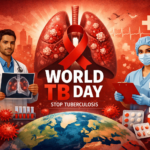
TB World Day, observed every year on March 24, stands as a powerful reminder of our global fight against tuberculosis. This annual event brings together communities, health organizations, and governments worldwide to raise awareness about TB and renew our commitment to ending this preventable disease that continues to affect millions of lives.
Understanding TB World Day
TB World Day has become one of the most important health awareness campaigns in our global health calendar. Every March 24, people around the world unite to spread awareness about tuberculosis, a disease that still claims over a million lives each year. This special day reminds us that TB is not just a medical challenge but a social and economic issue that affects our most vulnerable communities.
The date itself holds historical significance. On March 24, 1882, Dr. Robert Koch made a groundbreaking announcement that changed medical history forever. He discovered the bacterium that causes tuberculosis, opening the door to proper diagnosis and treatment. This discovery gave hope to millions who were suffering from what was then called the “white plague” due to the pale appearance it gave to patients.
What is Tuberculosis?
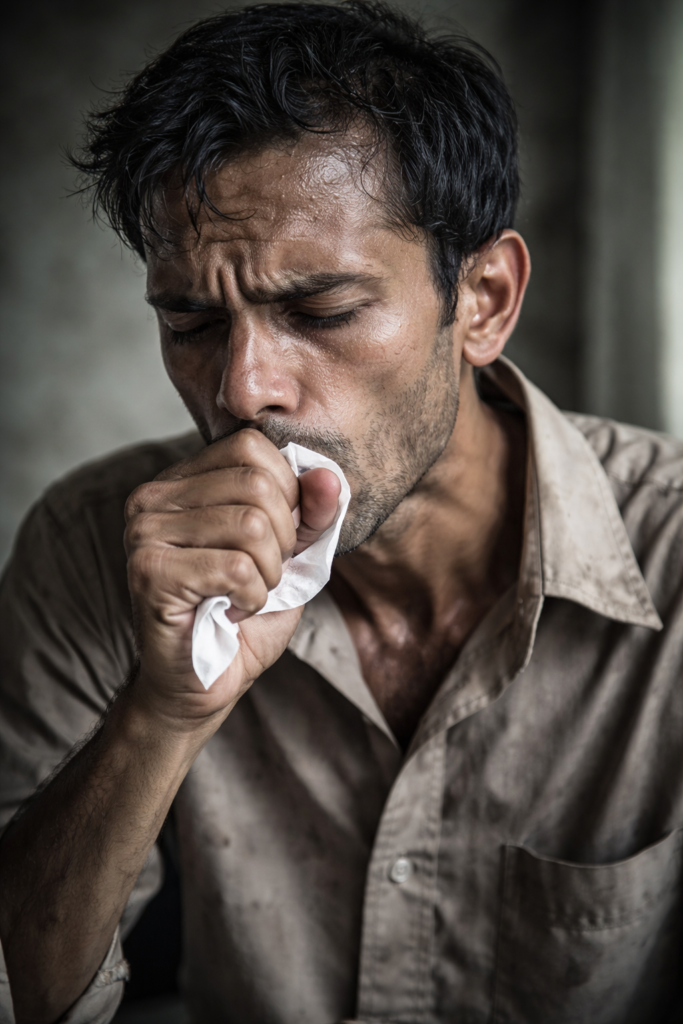
Tuberculosis, commonly known as TB, is an infectious disease that primarily affects the lungs, though it can spread to other parts of the body. The disease spreads through the air when someone with active TB coughs, sneezes, or even speaks. While TB is serious, the good news is that it is both preventable and curable with proper treatment.
Understanding how TB spreads helps us protect ourselves and our communities. When an infected person releases bacteria into the air, others nearby can breathe in these germs. However, not everyone who breathes in TB bacteria gets sick. Some people develop what doctors call latent TB infection, where the bacteria stay in the body but remain inactive. These individuals don’t feel sick and can’t spread TB to others.
Why TB World Day Matters in 2026
TB World Day 2026 carries special importance as we work toward ambitious global health goals. “We can end TB: Led by countries, powered by people” underscores renewed global commitment and determination to eliminate tuberculosis. In 2024 alone, approximately 10.7 million people fell ill with TB, and tragically, about 1.23 million people lost their lives to this preventable disease.
The theme for TB World Day 2026, “Yes! We can end TB: Led by countries, powered by people,” reflects renewed optimism and determination. This message emphasizes that ending TB is not just a dream but an achievable goal when countries take strong leadership and communities work together. The theme recognizes that progress requires both government action and grassroots community involvement.
The Global Impact of TB World Day
TB World Day serves multiple important purposes in our global health efforts. First, it raises public awareness about how TB continues to devastate communities worldwide. Many people don’t realize that TB is still a major health threat, especially in low and middle-income countries where access to healthcare may be limited.
Second, TB World Day mobilizes political and social commitment to fight this disease. When governments and organizations mark this day, they often announce new funding, launch awareness campaigns, or introduce innovative treatment programs. Since 2000, an estimated 83 million lives have been saved through coordinated TB prevention and treatment efforts.
Third, this annual observance gives a voice to people affected by TB. It provides a platform for patients, survivors, and healthcare workers to share their stories, challenges, and successes. These personal narratives help reduce stigma and encourage others to seek testing and treatment.
Who is Most at Risk for TB?
TB World Day reminds us that tuberculosis doesn’t affect everyone equally. The disease disproportionately impacts vulnerable populations who face social, economic, and health challenges. People living in poverty often have limited access to quality healthcare, proper nutrition, and adequate housing, all of which increase TB risk.
Individuals with weakened immune systems face higher risks of developing active TB disease. This includes people living with HIV, those with diabetes, children under five years old, and elderly individuals. Additionally, people who use tobacco or alcohol excessively are more susceptible to TB infection and disease progression.
Healthcare workers who regularly care for TB patients also face occupational risks. Proper infection control measures, including adequate ventilation, protective equipment, and regular screening, are essential to protect these frontline workers who play such a vital role in TB care.
Recognizing TB Symptoms: When to Seek Help
TB World Day campaigns emphasize the importance of recognizing tuberculosis symptoms early. The most common sign is a persistent cough that lasts three weeks or longer. This cough often produces mucus and may sometimes contain blood, which should prompt immediate medical attention.
Other symptoms include unexplained weight loss, loss of appetite, night sweats, fever, and persistent fatigue. Some people also experience chest pain or pain while breathing or coughing. These symptoms develop gradually, which is why many people delay seeking medical help.
If you experience any combination of these symptoms, especially a cough lasting more than two weeks, it’s crucial to visit a healthcare provider for testing. Early diagnosis leads to better treatment outcomes and prevents the spread of TB to family members and community members.
TB Diagnosis and Treatment: Hope through Modern Medicine
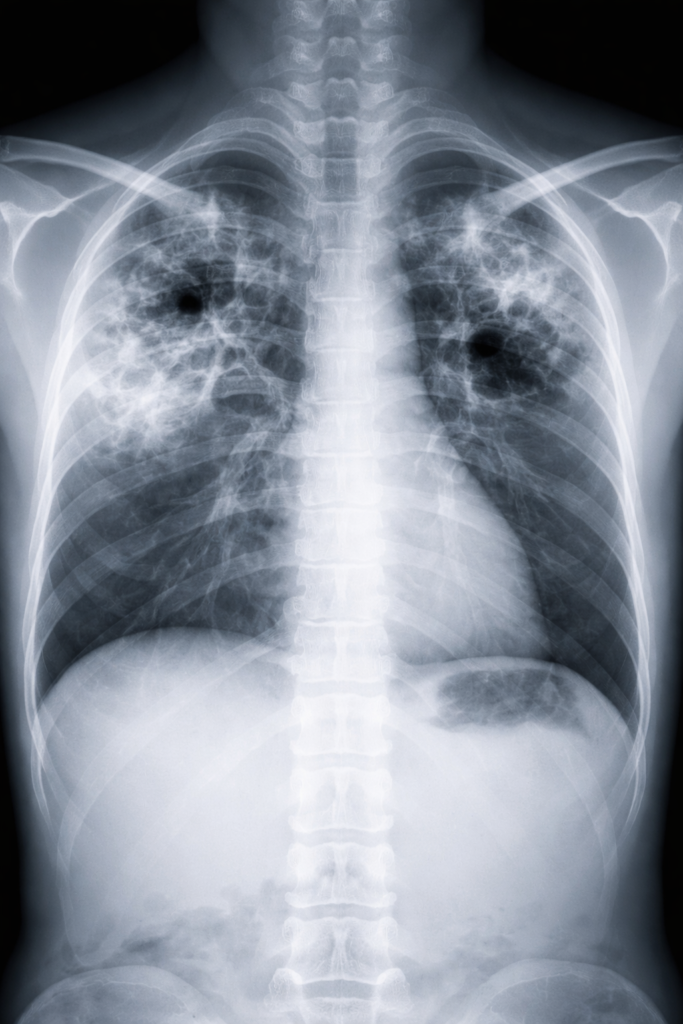
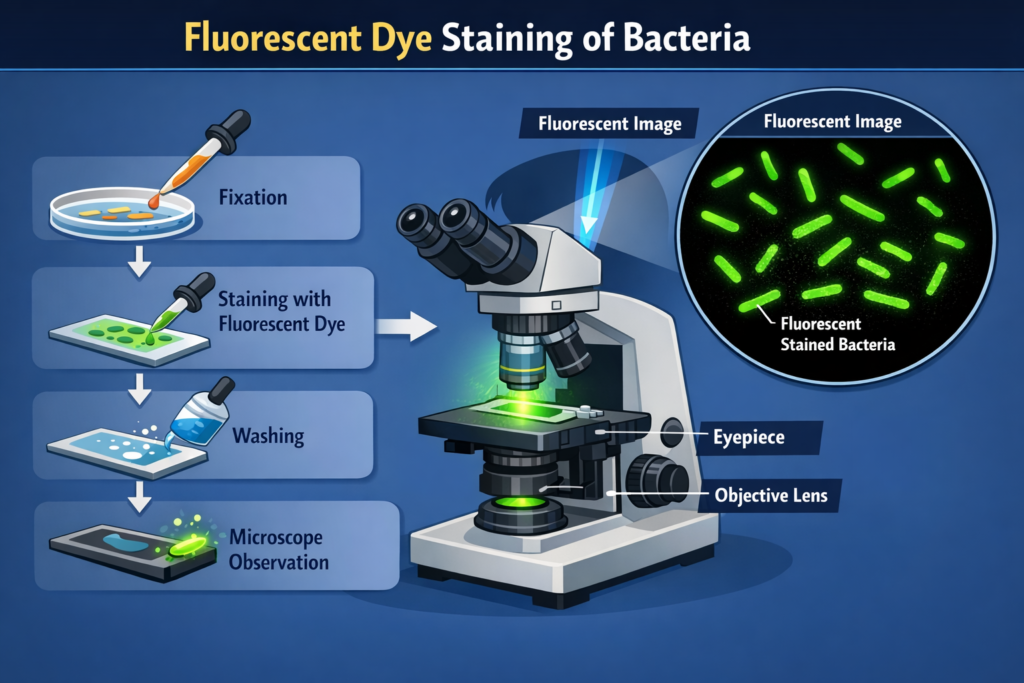
One key message of TB World Day is that tuberculosis is curable with proper treatment. Modern diagnostic tools have made TB detection faster and more accurate. Healthcare providers use various tests, including skin tests, blood tests, chest X-rays, and sputum tests to diagnose TB.
The World Health Organization has recently approved new near-point-of-care diagnostic tests that can provide results much faster than traditional methods. These innovations are particularly valuable in remote areas where access to laboratory facilities is limited. Rapid diagnosis means people can start treatment sooner, improving their chances of recovery and reducing transmission.
TB treatment typically involves taking multiple antibiotics for at least six months. While the treatment period is long, it’s essential to complete the entire course of medication, even if you start feeling better. Stopping treatment early can lead to drug-resistant TB, which is much harder and more expensive to treat.
Prevention Strategies Highlighted on TB World Day
Preventing TB is just as important as treating it. TB World Day campaigns promote various prevention strategies that individuals and communities can adopt. The BCG vaccine, given to infants in many countries, helps protect young children from severe forms of TB, though it doesn’t prevent all cases.
Good ventilation in homes, schools, and workplaces reduces TB transmission risk. Opening windows, using fans, and ensuring proper air circulation can significantly decrease the concentration of TB bacteria in indoor spaces. This simple measure is especially important in crowded settings.
For people with latent TB infection, preventive treatment can stop the bacteria from becoming active and causing disease. Healthcare providers can prescribe medication that kills the dormant bacteria, protecting individuals and preventing future transmission. This approach is particularly valuable for people at high risk of developing active TB.
The Economic Case for Fighting TB
TB World Day reminds us that investing in tuberculosis prevention and treatment is not just a health decision but a smart economic choice. Research shows that every dollar invested in TB control generates up to 43 dollars in economic and health returns. This impressive return on investment comes from reduced healthcare costs, increased productivity, and prevented deaths.
Tuberculosis particularly affects people during their most productive years, often striking adults between ages 15 and 45. When working-age individuals become sick with TB, families lose income, children may drop out of school, and poverty deepens. By investing in TB prevention and care, countries protect their human capital and economic future.
How Communities Can Support TB World Day
TB World Day encourages everyone to take action, not just healthcare professionals and policymakers. Communities play a vital role in reducing TB stigma, supporting affected families, and promoting awareness. Local organizations can organize health talks, distribute information materials, and conduct screening events.
Schools and youth groups can participate by learning about TB and sharing information with their peers. Young people have tremendous power to spread accurate health messages through social media and community networks. Their energy and creativity can help make TB prevention and awareness campaigns more engaging and effective.
Faith-based organizations, community centers, and local clubs can use TB World Day as an opportunity to discuss health topics and combat misconceptions. Creating supportive environments where people feel comfortable seeking TB testing and treatment is essential for controlling this disease.
Current Challenges in TB Control
Despite progress, TB World Day also acknowledges the significant challenges that remain. Drug-resistant TB continues to threaten global TB control efforts. When TB bacteria develop resistance to standard medications, treatment becomes longer, more expensive, and less successful. Multidrug-resistant TB requires specialized care and stronger medications with more side effects.
The COVID-19 pandemic disrupted TB services worldwide, causing many people to miss diagnoses and interrupt treatment. TB World Day 2026 emphasizes the need to rebuild and strengthen TB programs while learning from the challenges of recent years. Protecting hard-won gains in TB control requires sustained commitment and resources.
Reaching the three million people who develop TB each year but never receive proper diagnosis or treatment remains a critical challenge. These individuals, often living in remote areas or marginalized communities, fall through the cracks of health systems. Innovative outreach strategies and community-based care are essential to find and treat these missing millions.
Success Stories That Inspire Hope
TB World Day celebrations highlight success stories that demonstrate what’s possible with commitment and resources. Several countries have achieved remarkable reductions in TB cases through comprehensive national programs. These success stories show that ending TB is not just theoretical but practically achievable.
New diagnostic technologies and treatment regimens have transformed TB care. Shorter treatment courses for drug-resistant TB, better diagnostic tools, and improved patient support systems are making a real difference in people’s lives. These innovations, combined with political will and community engagement, bring us closer to a TB-free world.
Technology and Innovation in TB Control
TB World Day 2026 emphasizes accelerating innovation to reach people faster. Digital health tools, including mobile apps for treatment monitoring and telemedicine consultations, are expanding access to TB care. These technologies are particularly valuable in rural areas where healthcare facilities may be hours away.
Artificial intelligence and machine learning are helping analyze chest X-rays more quickly and accurately, potentially identifying TB cases that human readers might miss. These technological advances complement traditional healthcare approaches, making diagnosis faster and more accessible to underserved populations.
Looking Forward: The Path to Ending TB
As we observe TB World Day in 2026, we stand at a critical moment in the fight against tuberculosis. The path to ending TB requires sustained political leadership, adequate funding, rapid uptake of innovations, and strong community engagement. No single approach will work alone; success demands coordination across health, social, and economic sectors.
Achieving the global goal of ending TB by 2030 is ambitious but achievable. It requires countries to make TB control a strategic political priority, invest in healthcare infrastructure, protect vulnerable populations, and ensure universal health coverage includes comprehensive TB services.
TB World Day reminds us that every person matters in this fight. Whether you’re a healthcare worker, policymaker, community leader, or concerned citizen, you have a role to play. Together, we can create a world where no one suffers or dies from this preventable and curable disease.
What You Can Do on TB World Day and Beyond
TB World Day offers everyone opportunities to make a difference. Start by educating yourself and others about TB transmission, symptoms, and treatment. Share accurate information through your social networks, workplace, or community groups. Combat stigma by speaking openly about TB as a medical condition that affects millions of good people worldwide.
If you have symptoms that could indicate TB, seek medical testing promptly. Early diagnosis protects your health and prevents spreading the disease to loved ones. If you’re diagnosed with TB, complete your full treatment course and encourage others to do the same.
Support organizations working to fight TB through donations, volunteering, or advocacy. Contact your elected representatives to express support for TB funding and programs. Use TB World Day hashtags and social media campaigns to amplify awareness messages and reach wider audiences.
Conclusion: A United Commitment to End TB
TB World Day stands as a powerful annual reminder that tuberculosis remains a serious global health challenge requiring our collective attention and action. This observance brings together millions of people worldwide in a shared commitment to end TB and save lives.
The 2026 theme, “Yes! We can end TB: Led by countries, powered by people,” captures both the urgency and the optimism of our current moment. With proven tools, innovative approaches, and renewed political will, ending TB is within our reach. Success requires sustained effort from governments, healthcare systems, communities, and individuals working together.
As we mark TB World Day on March 24, let’s recommit ourselves to this vital cause. Every action counts, from simple awareness-raising to policy advocacy. Together, we can create a future where tuberculosis is a disease of the past, and where every person has access to the prevention, diagnosis, and treatment they need to live healthy, productive lives.
The fight against TB is not just about medicine and public health—it’s about human dignity, social justice, and building a better world for all. On TB World Day and every day, let’s work together to make ending tuberculosis a reality.
Frequently Asked Questions (FAQs)
What is tuberculosis (TB)?
Tuberculosis is an infectious disease that mainly affects the lungs and spreads through the air when an infected person coughs or sneezes.
Is TB curable?
Yes, TB is both preventable and curable with proper medical treatment, usually involving a course of antibiotics for several months.
What are the common symptoms of TB?
Common symptoms include a persistent cough (more than 2–3 weeks), fever, night sweats, weight loss, and fatigue.
Who is most at risk of TB?
People with weak immune systems, such as those with HIV, diabetes, malnutrition, children, and the elderly, are at higher risk.
How is TB transmitted?
TB spreads through the air when a person with active TB coughs, sneezes, or speaks, releasing bacteria into the environment.
Can TB be prevented?
Yes, TB can be prevented through vaccination (BCG), early detection, proper treatment, and good ventilation in living spaces.
References and Resources
For more information about TB World Day and tuberculosis, visit these trusted resources:
World Health Organization – World TB Day Campaign
World Health Organization – World TB Day 2026
Stop TB Partnership – World TB Day Resources
Centers for Disease Control and Prevention – World TB Day
International Society for Infectious Diseases – World Tuberculosis Day