
Introduction:
Food allergy lab test is an important medical process used to identify allergic reactions caused by certain foods. Many people experience symptoms like itching, swelling, stomach pain, or breathing problems after eating specific foods. A proper food allergy lab test helps confirm the cause and guides safe treatment.
In this article, you will learn everything about food allergy lab test, including types, procedures, advantages, and how results are interpreted.

What is a Food Allergy Lab Test?
A food allergy lab test is a diagnostic test performed in a laboratory to detect allergic reactions to specific food items. These tests measure how your immune system responds to certain allergens.
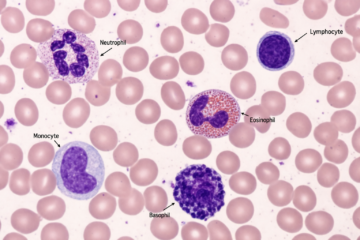
When a person has a food allergy, the immune system produces antibodies (IgE) against that food. The food allergy lab test checks for these antibodies in the blood or skin, some time increase leukocytes.
Food allergies affect millions of people worldwide. Getting the right diagnosis through a food allergy lab test can be life-changing.
For more detailed medical information, you can visit MedlinePlus Food Allergy Testing Guide
Why is Food Allergy Lab Test Important?
it is important because:
- It helps identify the exact food causing the allergy
- Prevents serious reactions like anaphylaxis
- Helps doctors create a safe diet plan
- Reduces unnecessary food restrictions
- Provides peace of mind with accurate results
Without a proper lab test, diagnosis may be incorrect or delayed. This can lead to continued suffering or even dangerous situations.
Common Symptoms That Need Food Allergy Lab Test
You may need a food allergy lab test if you experience:
- Skin rash or hives
- Swelling of lips, face, or throat
- Vomiting or diarrhea
- Difficulty breathing
- Dizziness or fainting
- Stomach cramps
- Tingling in the mouth
These symptoms can appear within minutes or hours after eating. If you notice these signs repeatedly, schedule a food allergy lab test with your doctor.
Types of Food Allergy Lab Test
There are several types of lab test methods used in clinical laboratories. Each has its own advantages and purposes.

1. Skin Prick Test (SPT)
This is one of the most common food allergy lab test methods.
Procedure:
- A small drop of allergen is placed on the skin
- The skin is lightly pricked
- Reaction is observed within 15–20 minutes
Result:
- Red bump (positive)
- No reaction (negative)
The skin prick food allergy lab test is quick and shows results immediately. It’s useful for testing multiple allergens at once.
2. Blood Test (IgE Test)
This is a measures IgE antibodies in blood.
Procedure:
- Blood sample is collected
- Tested in laboratory
- Results available in few days
Advantages:
- Safe for severe allergy patients
- No risk of immediate reaction
- Not affected by skin conditions
- Can be done while taking medications
The blood-based food allergy lab test is preferred when skin testing isn’t suitable.
Learn more at American College of Allergy Testing Overview
3. Oral Food Challenge Test
This is considered the most accurate food allergy lab test.
Procedure:
- Patient eats small amounts of suspected food
- Doctor observes reactions
- Done in controlled environment
Note: This is done under medical supervision because of risk. It’s the gold standard for diagnosis.
4. Elimination Diet
Although not a lab-based method, it supports to diagnosis.
Procedure:
- Remove suspected food from diet
- Monitor symptoms for 2-4 weeks
- Reintroduce slowly
- Track reactions
When combined with a food allergy lab test, elimination diets provide comprehensive information.
5. Component Testing
Advanced food allergy lab test that identifies specific proteins in food causing allergy.
Benefits:
- More precise results
- Predicts severity
- Identifies cross-reactive allergens
- Guides treatment decisions
This specialized test uses modern technology for detailed analysis.
How to Prepare for Food Allergy Lab Test
Before a food allergy lab test, you should:
- Avoid antihistamines (for skin test)
- Inform doctor about medications
- Follow fasting instructions (if required)
- Keep a food diary
- List all suspected foods
Preparation ensures accurate food allergy lab test results. Your doctor will give specific instructions.
Procedure of Food Allergy Lab Test
The procedure of food allergy lab test depends on the type:
Skin Test:
- Quick and done on skin
- Takes about 20-30 minutes
- Results immediate
Blood Test:
- Requires blood sample
- Sent to laboratory
- Results in days
Oral Test:
- Done in hospital
- Takes several hours
- Requires monitoring
Each test is safe when performed by professionals. Always choose certified facilities.
Understanding Food Allergy Lab Test Results
Results of a food allergy lab test are interpreted carefully:
Positive Result:
- Allergy likely present
- Avoid the food
- Follow medical advice
Negative Result:
- Allergy unlikely
- Food may be safe
- Confirm with doctor
False Results:
- Sometimes possible
- Need additional testing
Doctors combine medical history with food allergy lab test results for final diagnosis. Never self-diagnose based on test results alone.
For clinical insights, visit Mayo Clinic Food Allergy Diagnosis
Advantages of Food Allergy Lab Test
A food allergy lab test offers many benefits:
- Accurate identification of allergens
- Helps avoid life-threatening reactions
- Guides proper treatment
- Improves quality of life
- Reduces anxiety about foods
- Enables safe meal planning
Getting a food allergy lab test empowers you to take control of your health.
Limitations of Food Allergy Lab Test
Despite its usefulness, food allergy lab test has some limitations:
- False positives or negatives possible
- Expensive in some cases
- Requires expert interpretation
- May need multiple tests
- Not all foods can be tested
Understanding these limitations helps set realistic expectations from your food allergy lab test.
Common Foods That Cause Allergies
A food allergy lab test often checks for:
- Milk
- Eggs
- Peanuts
- Tree nuts
- Fish
- Shellfish
- Wheat
- Soy
- Sesame
These are the most common allergens worldwide. Your food allergy lab test may include all or some of these.
More guidance is available at Australasian Society of Clinical Immunology Allergy Resource
Who Should Get Food Allergy Lab Test?
A food allergy lab test is recommended for:
- Children with suspected food allergies
- Adults with unexplained symptoms
- Patients with severe allergic reactions
- Individuals with family history of allergies
- People with eczema or asthma
- Anyone experiencing repeated food reactions
If you fall into any category, consider scheduling a food allergy lab test.
Food Allergy Lab Test vs Food Intolerance
Many people confuse allergy with intolerance. Here’s the difference:
|
Feature |
Food Allergy Lab Test |
Food Intolerance |
|
Immune system |
Involved |
Not involved |
|
Severity |
Can be severe |
Usually mild |
|
Testing |
Lab test available |
No specific test |
|
Onset |
Immediate |
Gradual |
|
Treatment |
Avoid completely |
May tolerate small amounts |
A food allergy lab test specifically identifies true allergies, not intolerances.
Cost of Food Allergy Lab Test
The cost of food allergy lab test varies:
- Skin tests: $60-$300
- Blood tests: $200-$1,000
- Oral challenges: $500-$2,000
- Component testing: Higher cost
Insurance may cover food allergy lab test when medically necessary. Check with your provider.
Finding the Right Provider for Food Allergy Lab Test
Choose a qualified provider for your food allergy lab test:
- Board-certified allergist
- Accredited laboratory
- Experienced medical staff
- Good patient reviews
- Modern equipment
The quality of your food allergy lab test depends on the provider’s expertise.
Tips After Food Allergy Lab Test
After a food allergy lab test, you should:
- Avoid confirmed allergens
- Carry emergency medication if needed
- Follow doctor’s advice
- Maintain a food diary
- Read food labels carefully
- Inform family and friends
- Wear medical alert bracelet
Your food allergy lab test results should guide your daily food choices.
When to Repeat Food Allergy Lab Test
You may need to repeat your food allergy lab test if:
- Symptoms change
- New reactions occur
- Checking if child outgrew allergy
- Treatment isn’t working
- Doctor recommends retest
Regular food allergy lab test monitoring ensures ongoing safety.
Future of Food Allergy Lab Test
The food allergy lab test field is advancing with:
- More accurate testing methods
- Faster results
- Home testing options
- Better component analysis
- Improved prediction tools
Future food allergy lab test technology will make diagnosis even easier and more reliable.
Conclusion:
A food allergy lab test represents an essential diagnostic tool for anyone experiencing adverse food reactions. From initial symptoms through testing, results interpretation, and ongoing management, proper evaluation protects your health and enhances quality of life.
Don’t let uncertainty control your relationship with food. If you experience concerning symptoms after eating, consult qualified healthcare providers about appropriate food allergy lab test options. Accurate diagnosis through professional testing empowers you to make informed choices, avoid dangerous exposures, and enjoy meals with confidence.
The journey to understanding your body’s unique responses begins with one step—seeking proper food allergy lab test evaluation. Take that step today and reclaim control over your health and well-being.
Frequently Asked Questions (FAQ)
What is a food allergy lab test?
A food allergy lab test is a medical test used to detect allergic reactions to specific foods by measuring the immune system response.
Why is a food allergy lab test important?
A food allergy lab test helps identify the exact food causing allergy, prevents serious reactions, and supports proper treatment.
What are the common types of food allergy lab test?
The main types of food allergy lab test include:
- Skin prick test
- Blood test (IgE test)
- Oral food challenge
- Elimination diet
A food allergy lab test is a medical test used to detect allergic reactions to specific foods by measuring the immune system response.
A food allergy lab test helps identify the exact food causing allergy, prevents serious reactions, and supports proper treatment.
The main types of food allergy lab test include:
- Skin prick test
- Blood test (IgE test)
- Oral food challenge
- Elimination diet
Is food allergy lab test painful?
Most food allergy lab test procedures are not painful. Skin tests may cause slight discomfort, while blood tests involve a small needle prick.
How long does a food allergy lab test take?
A food allergy lab test like a skin prick test takes about 15–20 minutes, while blood test results may take a few days.
Are food allergy lab test results always accurate?
A food allergy lab test is generally accurate, but sometimes false positive or negative results can occur. Doctors usually confirm with clinical history.
Most food allergy lab test procedures are not painful. Skin tests may cause slight discomfort, while blood tests involve a small needle prick.
A food allergy lab test like a skin prick test takes about 15–20 minutes, while blood test results may take a few days.
A food allergy lab test is generally accurate, but sometimes false positive or negative results can occur. Doctors usually confirm with clinical history.
Reference Information link
https://medlineplus.gov/lab-tests/food-allergy-testing/https://acaai.org/allergies/testing-diagnosis/food-allergy-testing-and-diagnosis/https://www.mayoclinic.org/diseases-conditions/food-allergy/diagnosis-treatment/drc-20355101https://www.allergy.org.au/patients/allergy-testing/food-allergy
Medical Disclaimer:
This article is for educational purposes only and does not replace professional medical advice. Always follow the specific instructions provided by your healthcare provider or laboratory.