
Introduction:
Zoonotic diseases are one of the most dangerous and underestimated threats to human health in the world today. Every year, millions of people fall sick because of infections that originally came from animals. Some of these infections are mild. Others can be life-threatening or even trigger global outbreaks. Whether you own pets, work with animals, or simply enjoy being outdoors, knowing about zoonotic diseases is not optional – it is necessary.
In this article, we cover 7 important facts about zoonotic diseases, how they spread, their symptoms, how they are treated, and – most importantly – how you can prevent them.
What Are Zoonotic Diseases?
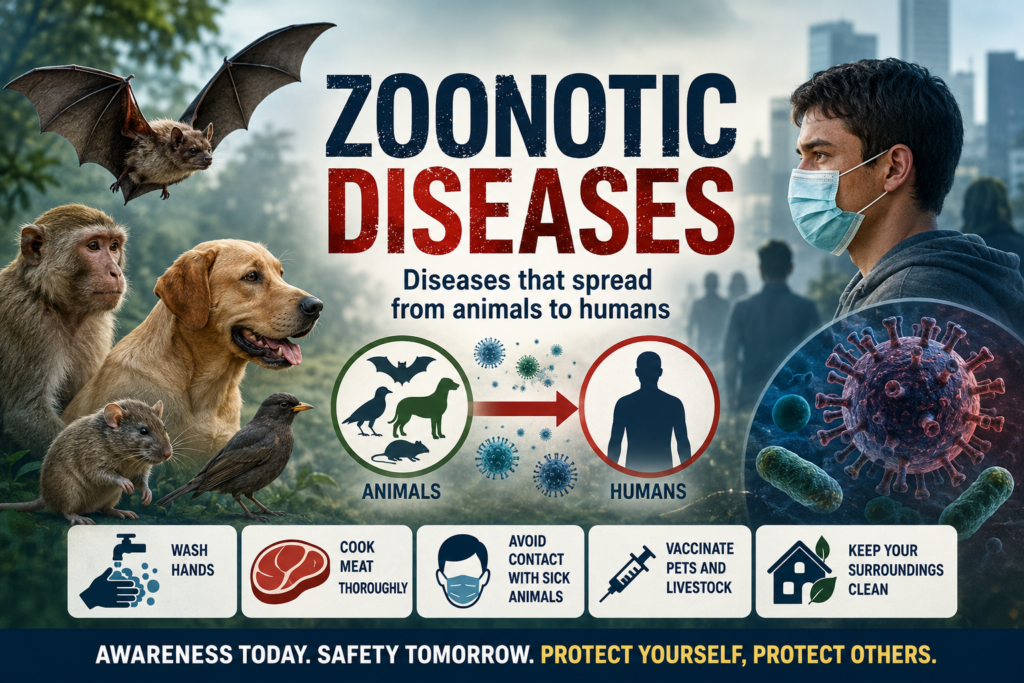
Zoonotic diseases, also called zoonoses, are infectious diseases that jump from animals to humans. They can be caused by bacteria, viruses, fungi, parasites, or prions. Animals such as dogs, cats, bats, birds, rodents, and livestock can all carry harmful pathogens – and many of them show no signs of being sick at all.
This is what makes zoonotic diseases particularly tricky. A healthy-looking animal can still pass on a dangerous infection through a bite, scratch, contaminated food, or even the air in certain cases.
According to the World Health Organization (WHO), over 60% of all known human infectious diseases have animal origins. That number alone shows how deeply our health is connected to the animal world around us.
Dangerous Facts About Zoonotic Diseases You Should Know
1. They Are Far More Common Than You Realize
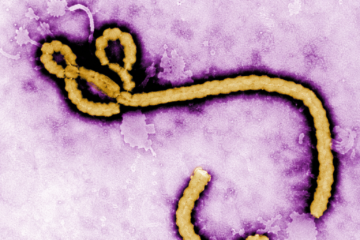
Zoonotic diseases are not rare events. They occur every single day across every part of the world. Well-known diseases like rabies, the plague, Ebola, bird flu, and COVID-19 all trace their origins back to animals. Many of the deadliest outbreaks in history began with a pathogen jumping from an animal host to a human being.
2. More Than 200 Types Have Been Identified
Scientists and researchers have identified over 200 types of zoonotic diseases so far. Some are manageable; others are extremely dangerous. Here are some of the most well-known examples:
- Rabies – Spread mainly through bites from infected dogs or bats
- Lyme Disease – Transmitted through the bite of infected ticks
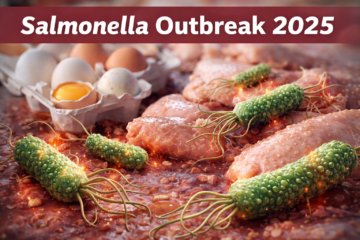
- Salmonella – Usually linked to contaminated food or animal contact
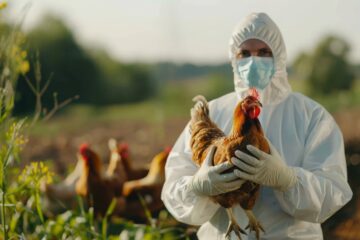
- Avian Influenza (Bird Flu) – Passed from infected poultry to humans
- Brucellosis – Common in farmers and those who handle livestock
- Toxoplasmosis – Associated with cat feces and undercooked meat
- COVID-19 – Widely believed to have originated from an animal source
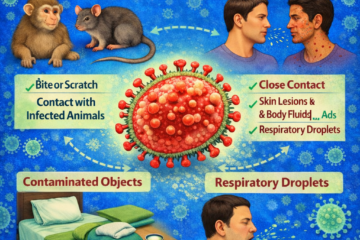
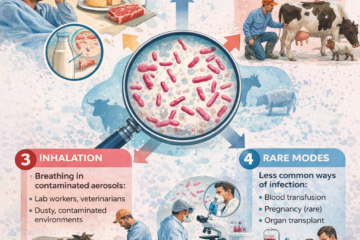
3. Zoonotic Diseases Spread in Multiple Ways
You do not have to be bitten by an animal to catch a zoonotic disease. These infections can reach you through several pathways:
- Direct contact – Being bitten, scratched, or touching an infected animal
- Indirect contact – Touching surfaces, soil, or objects contaminated by an infected animal
- Vector-borne – Through insects like mosquitoes, ticks, or fleas that carry the disease
- Foodborne – Eating undercooked meat, raw dairy, or contaminated produce
- Waterborne – Drinking or swimming in water polluted by animal waste
4. Some Evolve Into Human-Only Diseases
One of the most alarming aspects of zoonotic diseases is their ability to mutate. Some start in animals and eventually adapt to spread only between humans. HIV and COVID-19 are two powerful examples of this. Once a pathogen crosses this threshold, it can spread worldwide at an alarming pace – turning a local animal outbreak into a global health emergency.
5. Certain Groups Face a Much Higher Risk
While anyone can catch a zoonotic disease, some groups are at significantly greater risk:
- Children under the age of 5
- Elderly adults over 65
- Pregnant women
- People with weakened immune systems (such as those with HIV or on chemotherapy)
- Farmers, veterinarians, wildlife workers, and butchers
- Travelers visiting regions where zoonotic diseases are prevalent
6. Climate Change Is Increasing the Threat
Rising temperatures around the world are expanding the habitats of disease-carrying insects like mosquitoes and ticks. Warmer climates allow these vectors to survive and breed in areas where they previously could not live. This is pushing diseases like dengue fever, West Nile virus, and Lyme disease into new territories. As wild animal habitats shrink due to deforestation, humans come into closer contact with wildlife – increasing the risk of new zoonotic outbreaks.
7. The Good News: Prevention Is Powerful
Despite how serious zoonotic diseases can be, the encouraging truth is that most of them are preventable. Simple everyday habits and proper awareness can protect you and your loved ones from these dangerous infections.
Common Symptoms of Zoonotic Diseases
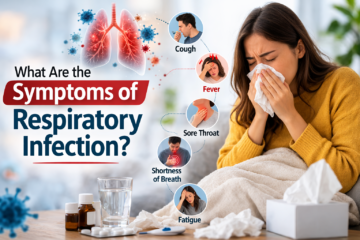
Because there are so many types of zoonotic diseases, symptoms can vary. However, some of the most common warning signs include:
- Fever and chills
- Headache and muscle pain
- Tiredness or weakness
- Skin rash or sores
- Diarrhea, vomiting, or stomach cramps
- Swollen lymph nodes
- Difficulty breathing in severe cases
If you have been around animals recently and you notice any of these symptoms, do not wait. See a doctor immediately. Early treatment is the key to a full recovery in most zoonotic disease cases.
Diagnosis and Treatment
Diagnosing a zoonotic disease requires a doctor to review your symptoms, ask about any recent animal contact, and run appropriate laboratory tests. These may include blood tests, urine tests, stool cultures, or imaging studies.
Treatment depends on the specific type of infection:
- Bacterial zoonoses (Lyme disease, brucellosis, salmonella) – treated with targeted antibiotics
- Viral zoonoses (rabies, bird flu) – managed with antiviral medications; rabies requires immediate post-exposure vaccination
- Parasitic zoonoses (toxoplasmosis, giardia) – treated using antiparasitic drugs
In serious or advanced cases, hospital care may be required. Never ignore symptoms after animal exposure, no matter how minor they seem.
How to Prevent Zoonotic Diseases
Prevention is your strongest tool. Here are practical, proven steps to reduce your risk:
Wash your hands regularly. Always wash your hands with soap and clean water after touching animals, handling animal products, or cleaning up after pets. This single habit eliminates a large number of infection risks.
Cook food thoroughly. Heat meat to the proper internal temperature. Avoid raw or unpasteurized dairy products. Wash fresh fruits and vegetables carefully before eating.
Keep your distance from wild animals. Wild animals may carry pathogens without showing symptoms. Avoid feeding, touching, or handling them — even if they seem friendly or harmless.
Use insect repellent outdoors. Apply a good-quality insect repellent when going outside, especially in wooded or grassy areas. Wear long-sleeved clothing and check yourself for ticks after outdoor activities.
Vaccinate your pets. Make sure your dogs and cats receive all required vaccinations, especially for rabies. Regular veterinary check-ups help catch any potential health issues early.
Handle animal waste safely. Always wear gloves when handling pet waste or cleaning animal enclosures. Dispose of waste properly and wash hands thoroughly afterward.
Be cautious with water sources. Avoid drinking from or swimming in natural water bodies that may be contaminated by animal waste.
The One Health Approach
One of the most effective global strategies against zoonotic diseases is the One Health approach. This framework recognizes that human health, animal health, and environmental health are all deeply linked – and that they must be protected together.
Organizations including the WHO, the Food and Agriculture Organization (FAO), and national health agencies around the world work together under this approach to monitor outbreaks, track disease movement, and respond quickly before local infections become global emergencies.
By keeping animals healthy, protecting natural ecosystems, and improving public hygiene standards, the One Health approach targets zoonotic diseases at their root – rather than waiting for outbreaks to happen.
Conclusion:
Zoonotic diseases have shaped the course of human history and continue to pose a serious threat to global health today. From everyday pet-related infections to pandemic-level viral threats, these diseases remind us that human well-being is never fully separate from the animal world.
The most powerful things you can do are simple: stay informed, practice good hygiene, protect your pets, and seek medical attention quickly when you suspect an infection. For a deeper understanding, you can read more from trusted sources such as the Cleveland Clinic’s guide to zoonotic diseases and research published by the National Library of Medicine (PMC).
Zoonotic diseases are dangerous – but with the right knowledge and habits, they are also largely preventable. Start protecting yourself today.
Frequently Asked Questions
What are zoonotic diseases?
Zoonotic diseases are infections that spread from animals to humans. They can be caused by bacteria, viruses, parasites, or fungi and may spread through direct contact, food, water, insect bites, or contaminated environments.
Which animals commonly spread zoonotic diseases?
Many animals can carry zoonotic diseases, including bats, rodents, birds, monkeys, dogs, cats, livestock, and wild animals. Even healthy-looking animals may carry harmful germs.
How do zoonotic diseases spread to humans?
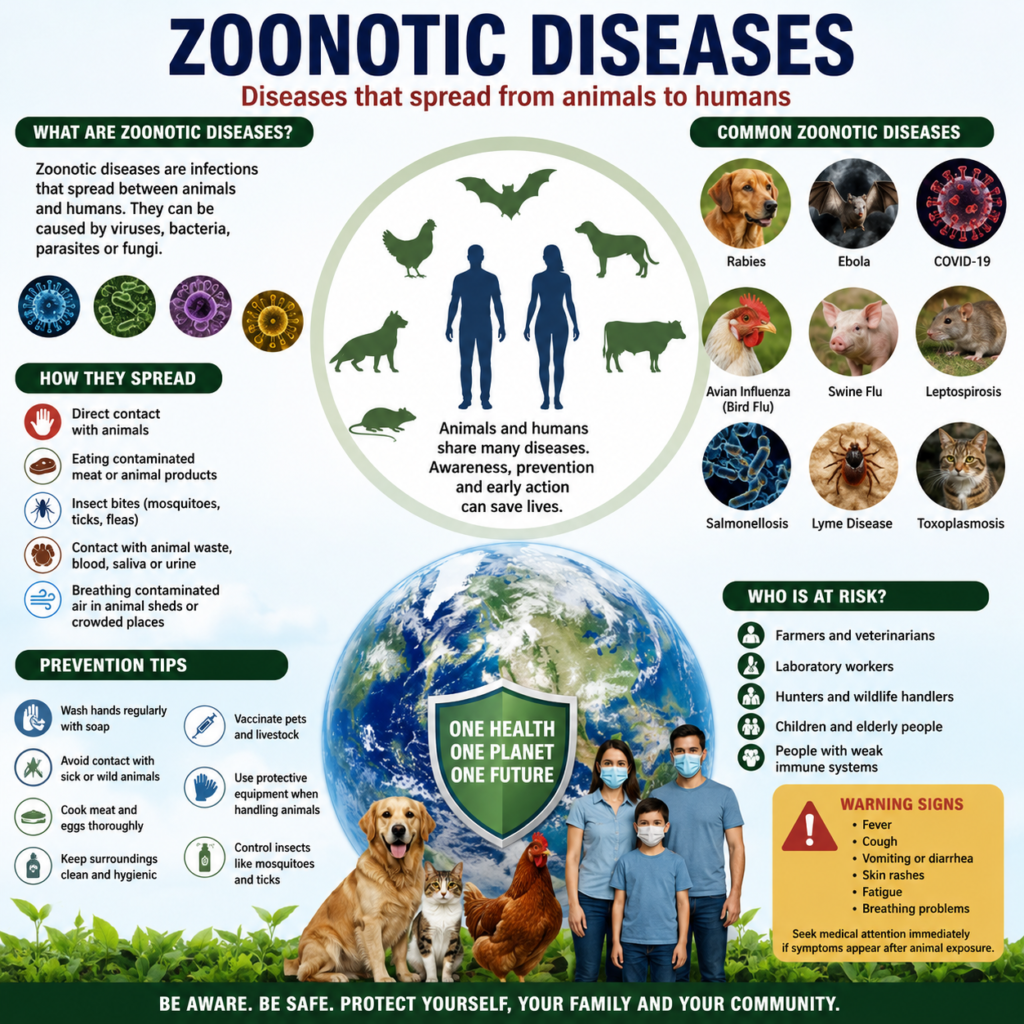
These diseases can spread through:
- Animal bites or scratches
- Eating contaminated meat or dairy products
- Insect bites such as mosquitoes or ticks
- Contact with animal waste, blood, or saliva
- Breathing contaminated air in farms or animal markets
Zoonotic diseases are infections that spread from animals to humans. They can be caused by bacteria, viruses, parasites, or fungi and may spread through direct contact, food, water, insect bites, or contaminated environments.
Many animals can carry zoonotic diseases, including bats, rodents, birds, monkeys, dogs, cats, livestock, and wild animals. Even healthy-looking animals may carry harmful germs.
These diseases can spread through:
- Animal bites or scratches
- Eating contaminated meat or dairy products
- Insect bites such as mosquitoes or ticks
- Contact with animal waste, blood, or saliva
- Breathing contaminated air in farms or animal markets
What are some common examples of zoonotic diseases?
Common zoonotic diseases include:
- Rabies
- Ebola
- COVID-19
- Avian Influenza (Bird Flu)
- Swine Flu
- Leptospirosis
- Salmonellosis
Can zoonotic diseases be prevented?
Yes. Prevention methods include:
- Washing hands regularly
- Avoiding contact with sick animals
- Cooking meat properly
- Vaccinating pets
- Using protective equipment when handling animals
- Controlling insects like mosquitoes and ticks
Who is most at risk of zoonotic diseases?
People at higher risk include:
- Farmers and veterinarians
- Laboratory workers
- Hunters and wildlife handlers
- Children and elderly people
- Individuals with weak immune systems
Common zoonotic diseases include:
- Rabies
- Ebola
- COVID-19
- Avian Influenza (Bird Flu)
- Swine Flu
- Leptospirosis
- Salmonellosis
Yes. Prevention methods include:
- Washing hands regularly
- Avoiding contact with sick animals
- Cooking meat properly
- Vaccinating pets
- Using protective equipment when handling animals
- Controlling insects like mosquitoes and ticks
People at higher risk include:
- Farmers and veterinarians
- Laboratory workers
- Hunters and wildlife handlers
- Children and elderly people
- Individuals with weak immune systems
What are the warning signs of zoonotic diseases?
Symptoms vary depending on the disease but may include:
- Fever
- Cough
- Vomiting or diarrhea
- Skin rashes
- Fatigue
- Breathing problems
Seek medical attention if symptoms appear after animal exposure.
Are zoonotic diseases increasing worldwide?
Yes. Increased human interaction with wildlife, climate change, deforestation, urbanization, and global travel have increased the risk of zoonotic disease outbreaks worldwide.
Why is public awareness about zoonotic diseases important?
Public awareness helps people understand how diseases spread and encourages safer hygiene, food handling, vaccination, and animal care practices, which can prevent future outbreaks.
Symptoms vary depending on the disease but may include:
- Fever
- Cough
- Vomiting or diarrhea
- Skin rashes
- Fatigue
- Breathing problems
Seek medical attention if symptoms appear after animal exposure.
Yes. Increased human interaction with wildlife, climate change, deforestation, urbanization, and global travel have increased the risk of zoonotic disease outbreaks worldwide.
Public awareness helps people understand how diseases spread and encourages safer hygiene, food handling, vaccination, and animal care practices, which can prevent future outbreaks.